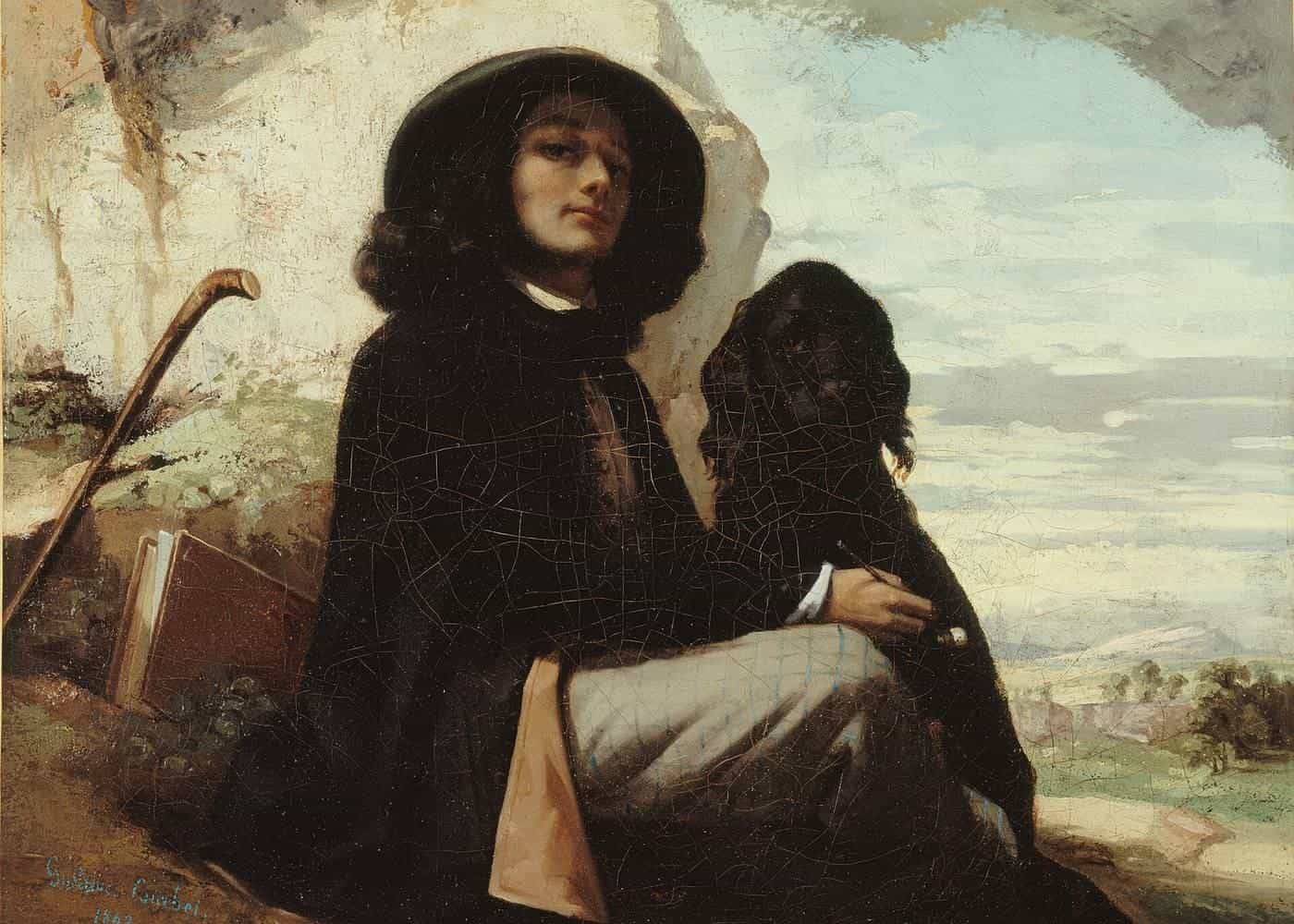
People have commissioned portraits of their animals for centuries. The National Gallery in London explains that the 2nd Marquess of Rockingham commissioned George Stubbs to paint his racehorse Whistlejacket in 1762, and went on to commission 12 paintings from him. Today, commissioning a pet portrait is something anyone can do, often entirely online and from photos. But it's also a personal, sometimes emotional purchase, and a few simple steps help it go smoothly. These guides explain the process, how to choose an artist, what to put in writing and how copyright works.
The guides in this section
- How to commission a pet portrait The process step by step, from brief to delivery.
- Choosing a pet portrait artist Judging a portfolio, communication, red flags and questions to ask.
- Deposits, contracts and consumer rights What to agree in writing and what the law says.
- Copyright and pet portraits Who owns copyright, licences, prints and reference photos.
The process in brief
- Decide on medium, style, size, composition and timing.
- Find artists whose existing work matches what you want.
- Send a short brief and photos, and ask about availability.
- Get a written quote and terms.
- Supply good reference photos.
- Approve a sketch or composition.
- Review progress and request agreed changes.
- Approve the finished work and pay the balance.
- Receive the portrait, inspect it, and frame and hang it.
What to put in writing
Agree the description of the work, the total price and what's included (framing, glass, postage, insurance), the deposit and when the balance is due, the expected timeline, how many changes are included, what happens if either party cancels, how the work will be delivered and who bears the risk in transit, and who owns copyright. It doesn't have to be a formal contract; clear email terms are fine.
Consumer rights
The ACCC explains that consumer guarantees apply to goods and services bought from Australian businesses. Services must be provided with acceptable care and skill, be fit for any purpose you made known and be delivered within a reasonable time if no date was agreed. Guarantees cover quality, not personal taste, so choosing an artist whose style you love and approving early stages matter.
Copyright
The Arts Law Centre of Australia and the Copyright Agency explain that the creator of a work is generally the first owner of copyright, unless it's assigned in writing, but that special rules apply to some commissioned works, including portraits for private or domestic purposes. Because the position can be uncertain for any particular commission, agree in writing who owns copyright and how each of you may use images of the portrait.
Avoiding scams
Scamwatch warns about fake online sellers. Check that an artist has a genuine history and contact details, be wary of prices that seem too good to be true and stolen portfolio images, and use payment methods that offer some protection.
Timing for gifts
Many portraits are commissioned as gifts for birthdays, Christmas or Mother's and Father's Day. Popular artists can have long waiting lists, especially late in the year, so enquire early. If you're short on time, a gift voucher lets the recipient commission the portrait later.
Local or interstate artists
Many artists work entirely from photos and post finished work around Australia, so you're not limited to artists near you. Local artists, though, let you see originals in person and collect the work yourself, avoiding postage risks. If commissioning interstate, ask about packing, tracking and insurance, and inspect the portrait promptly when it arrives.
Being a good client
Clear briefs, good photos, prompt replies and payment as agreed make a commission easier for everyone. Credit the artist when you share the portrait online, and ask before using images of it for anything beyond personal use.
When it's a memorial
If you're commissioning a portrait after a pet has died, take your time and choose an artist experienced in memorial work. Our memorial portraits guide offers gentle guidance on photos, style and keepsakes.
Five steps to a portrait you'll treasure
- Choose an artist whose existing work you love, in the medium you want.
- Take or gather good reference photos: sharp, well lit and at eye level.
- Get written terms covering price, inclusions, deposit, timeline, changes and copyright.
- Approve the composition early, when changes are easiest.
- Frame and hang it well, away from direct sun, heat and damp.
About these guides
Pet Portrait Artist is an independent information site about commissioning, photographing for and caring for pet portraits in Australia. We aren't an artist, studio, gallery, marketplace or framer, and we don't recommend particular artists or businesses. Our guides are general information written in our own words, with expert and official sources listed on every page. They aren't legal advice.
How we keep these guides current
We review each guide against its sources and show the date it was last checked. Copyright law, consumer rules and conservation guidance change from time to time. If you notice something out of date, please tell us through our contact page, and we'll check and correct it.
Use the pet portrait planner
Our free pet portrait planner shows how each medium looks and is cared for, and gives a reference-photo checklist and questions to ask an artist. It runs entirely in your browser, and nothing you choose is sent anywhere.
Guides in this section
Commissioning
How to commission a pet portrait
How commissioning a pet portrait works, step by step: deciding what you want, briefing an artist, quotes, sketches, progress, delivery and framing.
Read · 6 min
Commissioning
Choosing a pet portrait artist
How to choose a pet portrait artist: judging a portfolio, style and medium, communication, reviews, red flags, scams and questions to ask first.
Read · 6 min
Commissioning
Deposits, contracts and consumer rights
Deposits, written agreements, cancellations, delays and your consumer rights when commissioning a pet portrait from an Australian artist.
Read · 6 min
Commissioning
Copyright and pet portraits
Copyright in commissioned pet portraits explained: who owns it, the portrait rule, implied licences, prints, social media and reference photos.
Read · 6 min
Frequently asked questions
How do I commission a pet portrait?
Choose an artist, send a brief and photos, get written terms, approve a sketch, then receive and frame the finished work.
Should I pay upfront?
Many artists ask for a deposit with the balance on completion. Be cautious about paying everything upfront to an unknown seller.
Who owns copyright in a commissioned portrait?
It depends on the circumstances and your agreement. Agree it in writing before work starts.
What are my consumer rights?
Services from Australian businesses must be provided with acceptable care and skill and within a reasonable time.
Sources and further reading
Facts on this page were checked against these primary and official sources. Conditions change — confirm before you travel or buy.
- What happens to an artist's copyright when commissioned — Arts Law Centre of Australia
- Ownership — Copyright Agency
- Repair, replace, refund, cancel — ACCC
- Scamwatch — National Anti-Scam Centre
- George Stubbs, Whistlejacket, about 1762 — National Gallery, London