Drawings have a special intimacy. A graphite drawing can capture every whisker; a charcoal study can catch a dog's personality in a few bold strokes; coloured pencil can build layers of colour as rich as a painting. Many people choose a drawn portrait for its timeless, classic look or because it suits their home. This guide explains the main drawing mediums and how to choose, frame and care for a drawn pet portrait.
This guide is general information written in our own words. We don't recommend particular artists or businesses, and we never quote prices: they vary widely with the artist, medium and size, so ask for a written quote. It isn't legal advice.
Graphite pencil
Graphite pencils range from hard (H grades), which make light, fine lines, to soft (B grades), which make darker, smudgeable marks. Artists use a range of grades to build up tone from pale grey to near-black. Graphite suits detailed, realistic portraits and can show fine fur, reflections in the eyes and subtle textures. Graphite has a slight sheen in its darkest areas.
Charcoal
Charcoal is made from burnt wood, such as willow or vine, or compressed into sticks and pencils. It produces rich, velvety blacks and can be smudged, lifted with an eraser and blended for dramatic effects. Charcoal suits expressive portraits with strong contrast, and many artists like how quickly it captures movement and character. It's more fragile than graphite, because the particles sit loosely on the paper.
Coloured pencil
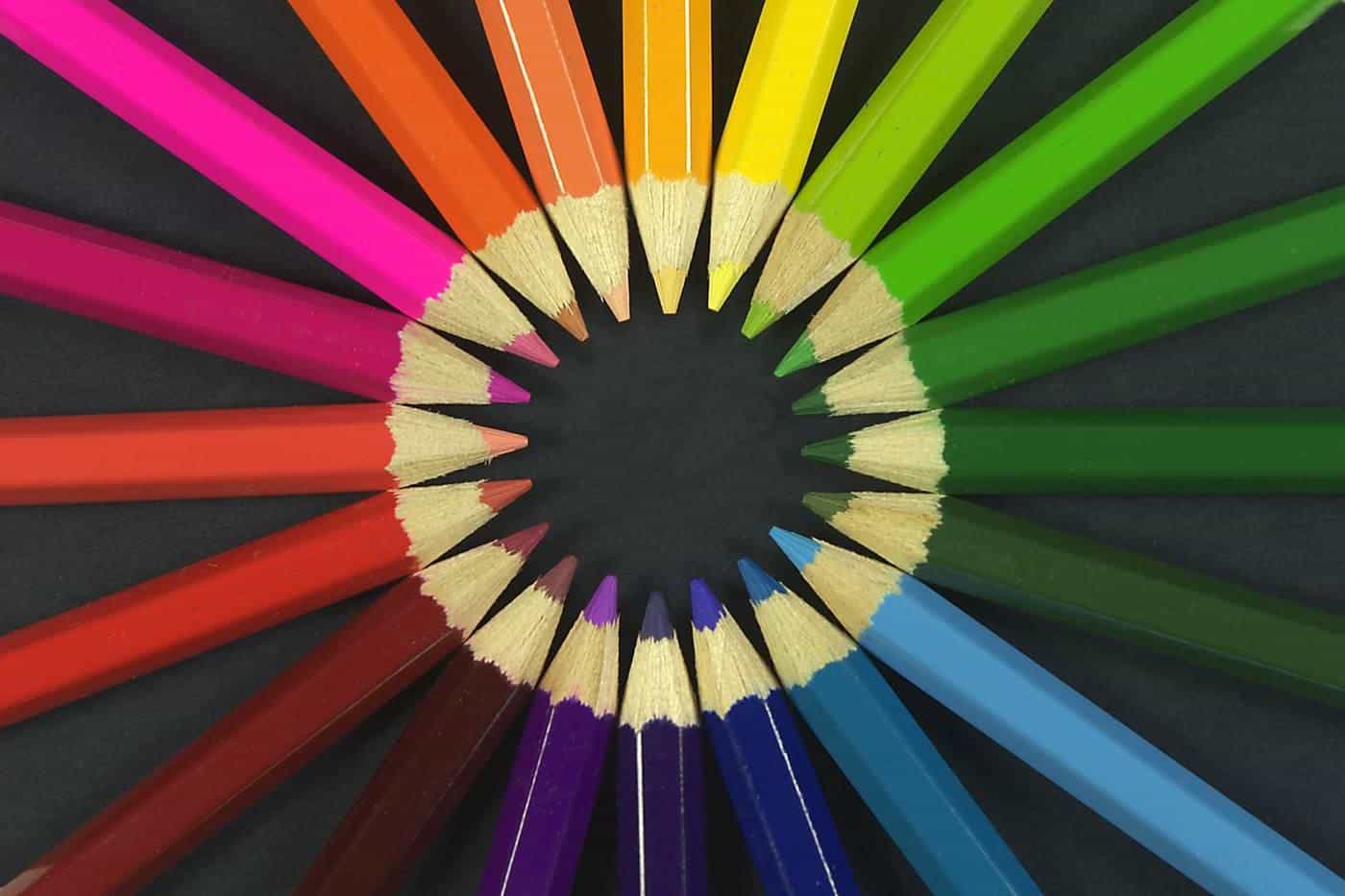
Coloured pencils contain pigment in a wax or oil binder. Artists build colour in many thin layers, sometimes burnishing (pressing hard) to blend layers into a smooth, almost painterly finish. Coloured pencil can achieve remarkable realism, but it's slow: detailed work may involve many hours of layering. Some artists combine coloured pencil with pastel pencils or watercolour.
Comparing drawing mediums
| Graphite | Charcoal | Coloured pencil | |
|---|---|---|---|
| Look | Silvery greys, fine detail | Deep blacks, dramatic | Full colour, layered |
| Fragility | Moderate | High (smudges easily) | Low to moderate |
| Fixative | Sometimes | Usually | Sometimes |
| Framing | Behind glass with mat | Behind glass with mat | Behind glass with mat |
Paper
Drawing papers vary in weight, texture and quality. Smooth papers suit fine graphite detail; textured papers suit charcoal and layered coloured pencil. Ask whether the artist uses acid-free or archival paper, which resists yellowing over time.
Fixative
Fixatives are sprays that help bind loose particles to the paper. They're commonly used on charcoal and sometimes on graphite or soft pencils to reduce smudging and shine. Fixative can slightly change the look, so artists use it carefully. Even fixed drawings should be framed behind glass.
Framing drawings
Drawings should be framed behind glazing with a mat (a cardboard border) or spacer so the glass doesn't touch the surface. Use acid-free mats and backing boards, because ordinary cardboard can discolour paper over time. UV-filtering glazing can help reduce light damage. Our framing guide explains the choices.
Light and display
Paper and some pigments are sensitive to light. The AICCM explains that visible and UV light can cause fading, yellowing and discolouration, and the Canadian Conservation Institute notes that light damage can't be reversed. Hang drawings away from direct sun, ideally on an internal wall, and avoid humid rooms such as bathrooms. Some coloured pencils are more lightfast than others; ask the artist which they use.
The process
A drawn commission usually starts with reference photos and a conversation about size and composition. The artist may share a rough layout before beginning. Detailed realism takes time, particularly for long or complex coats, so be prepared for a longer timeline than you might expect. Ask how progress updates and changes are handled.
Drawings of more than one pet
Drawings can show two or more animals together, even if they were photographed separately. Supply clear photos of each animal in similar light, and discuss with the artist how the composition will work. See our reference photos guide for tips.
Is a drawing right for you?
Choose graphite for fine, timeless detail; charcoal for drama and expression; and coloured pencil for full colour with a drawn quality. All three suit smaller spaces and many interiors, and all need framing behind glass. For a softer, more colourful look, see pastel. Our pet portrait planner outlines display and care for each medium.
Ink, watercolour and mixed media
Drawing mediums are often combined. Some artists add watercolour washes beneath graphite or coloured pencil, use ink for crisp lines, or add touches of white gouache for whiskers and highlights. Mixed media can create rich, unique effects. As with any work on paper, mixed media portraits should be framed behind glass and kept out of direct sun.
Small portraits and sketches
A drawing doesn't have to be large or highly detailed. Small sketches, quick studies and line drawings can capture a pet's character beautifully and suit small spaces, gifts and gallery walls. Ask artists whether they offer smaller or simpler options alongside their detailed work.
Use the pet portrait planner
Our free pet portrait planner shows how each medium looks, how it's displayed and cared for, and what to expect about timing. It also gives a reference-photo checklist and a list of questions to ask any artist, adjusted for the size you want, the number of animals and whether it's a memorial portrait. It runs entirely in your browser, and nothing you choose is sent anywhere.
Where our information comes from
Factual statements in our guides are based on expert and official sources, including the Arts Law Centre of Australia, the Copyright Agency and the Australian Copyright Council for copyright; the Australian Institute for the Conservation of Cultural Material and the Canadian Conservation Institute for caring for artworks; the ACCC and Scamwatch for consumer rights and safe buying; and museum collections for art history. We link to each source at the end of the page and rewrite everything in our own words.
A good commission in one sentence
A good pet portrait commission starts with an artist whose work you love, good reference photos and clear written terms, and ends with a portrait framed and hung where it's protected from sun, heat and damp. Almost everything else in this guide supports those simple steps.
Questions to ask yourself first
Before contacting an artist, ask yourself: what style and medium do I love, where will the portrait hang, how big can it be, what's my deadline, and which photos best capture my pet? Having answers ready makes your enquiry clearer and helps the artist give an accurate quote.
Pet portraits through history
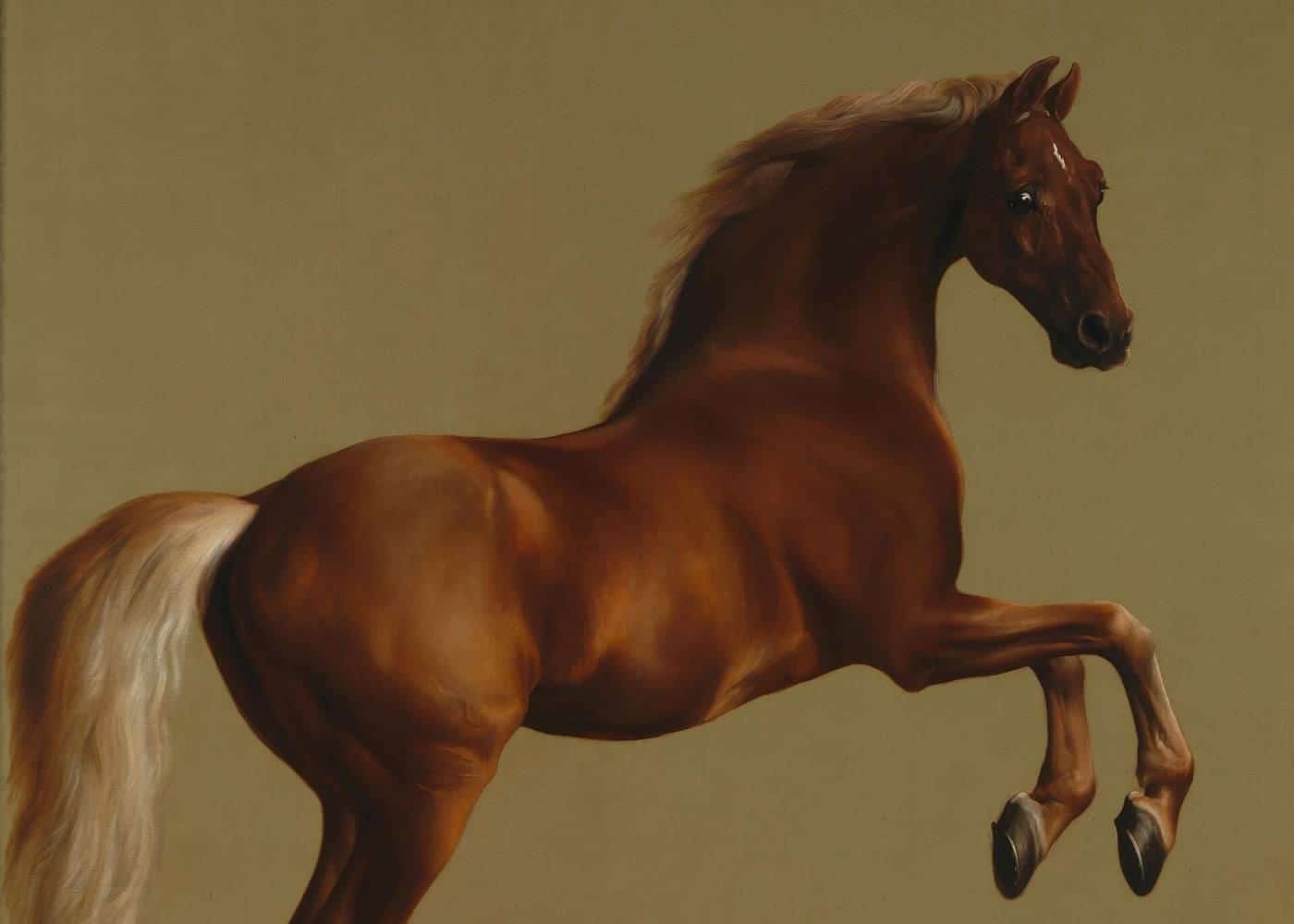
Animals have appeared in art for thousands of years, and portraits of particular, beloved animals have a long tradition. The National Gallery in London describes George Stubbs's Whistlejacket, a life-size portrait of a racehorse painted around 1762, as probably the most well-known portrait of a horse. Nineteenth-century painters made careers painting dogs and cats, and today's portrait artists continue that tradition in every medium.
Your rights when buying
The ACCC explains that consumer guarantees apply to goods and services bought from Australian businesses. Services must be provided with acceptable care and skill and within a reasonable time if no date was agreed, and goods must be of acceptable quality and match their description. Clear written terms with the artist are still your best protection.
Tell us what you think
We review our guides regularly against their sources. If you notice something out of date, have a question we haven't answered or spot an error, please let us know through our contact page. We read every message and correct mistakes promptly.
Key points
- Graphite suits fine detail, charcoal suits drama and coloured pencil suits layered colour.
- Charcoal is the most fragile and is usually fixed.
- Frame drawings behind glass with acid-free mats and backing.
- Keep drawings out of direct sun and humid rooms.
Frequently asked questions
Is a pencil portrait cheaper than a painting?
Prices vary widely by artist, size and detail. Highly realistic pencil work can take many hours. Ask for a written quote.
Does charcoal smudge?
Yes. Charcoal sits on the surface and smudges easily, so it is usually fixed and framed behind glass.
Do coloured pencil drawings fade?
Some pencil pigments are more lightfast than others. Ask the artist and keep drawings out of direct sun.
Should drawings be framed with a mat?
Yes. A mat keeps the glass off the drawing and improves the look.
Sources and further reading
Facts on this page were checked against these primary and official sources. Conditions change — confirm before you travel or buy.
- Caring for paintings — Australian Institute for the Conservation of Cultural Material
- Basic care: paintings — Canadian Conservation Institute