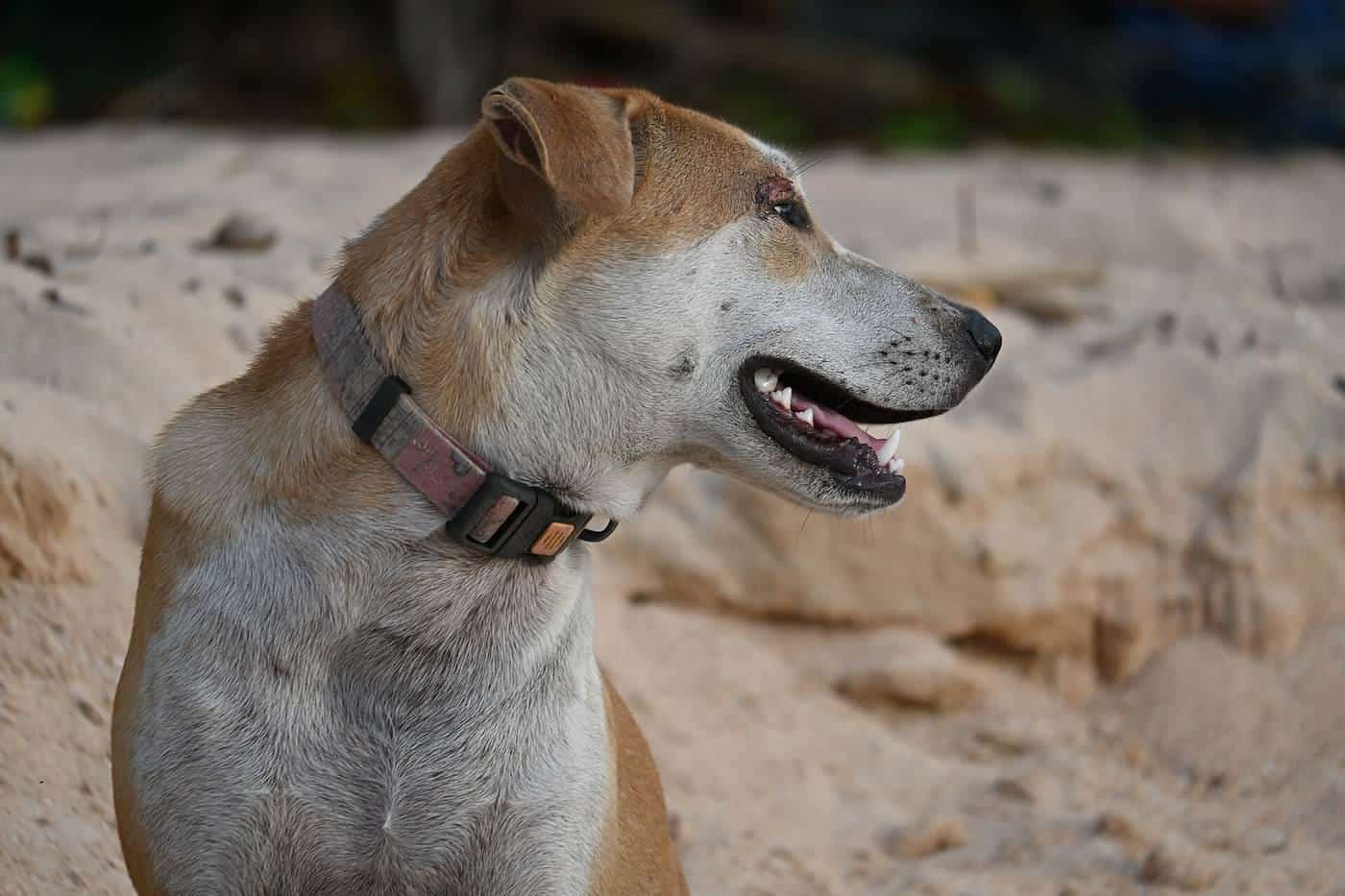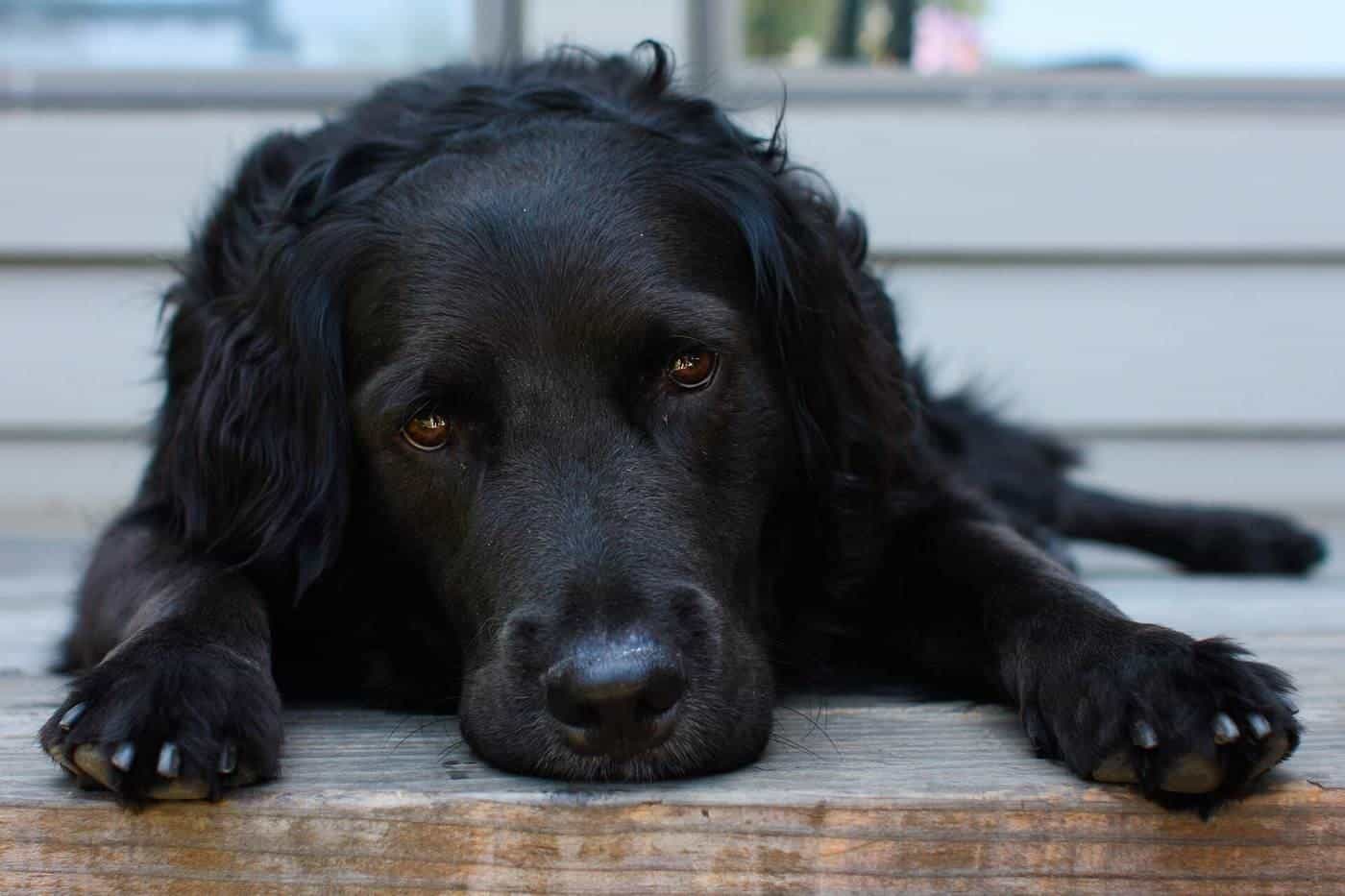
For many people, a pet is family. When they die, a portrait can be a meaningful way to remember them, capturing a look or a moment that photos alone don't quite hold. Memorial portraits are among the most common commissions pet portrait artists receive, and many artists approach this work with great care. This guide offers gentle, practical guidance if you're thinking about commissioning one.
This guide is general information written in our own words. We don't recommend particular artists or businesses, and we never quote prices: they vary widely with the artist, medium and size, so ask for a written quote. It isn't legal advice.
Take your time
There's no right time to commission a memorial portrait. Some people find comfort in starting straight away; others prefer to wait until the first wave of grief has passed. Choosing photos can bring up strong feelings. Go gently, and ask a friend or family member to help if that's easier.
Gathering photos
You may not have the perfect photo, and that's okay. Gather everything you have: phone photos, old prints, videos, photos from family and friends. Many artists can work from imperfect images, combining details from several photos. Helpful photos show:
- The face and eyes clearly, even if the rest of the photo isn't great.
- The coat colour and markings.
- The pose or expression you remember most.
Still frames taken from videos can sometimes help. Old prints can be scanned or photographed flat in good light. Our reference photos guide has tips for getting the best from existing images.
Telling the artist about your pet
Words matter as much as photos. Tell the artist about your pet's personality, the colour of their eyes in real life, a favourite toy, the way they tilted their head or a greying muzzle in their later years. Tell them which age you'd like to remember: the bouncy young dog or the gentle senior. These details help an artist create a portrait that feels like your pet.
Choosing a style and medium
Some people want a realistic likeness; others prefer something softer and more impressionistic. Pastel and oil are popular for their warmth and depth, while pencil and charcoal have a timeless, gentle quality. A plain or softly coloured background keeps the focus on your pet. A favourite place, such as the beach where you walked or a sunny spot in the garden, can add meaning. See our mediums guides.
Including keepsakes
Some artists offer to incorporate a small amount of ashes into paint or a frame, or to design a frame that holds a collar tag or a lock of fur. If this appeals, ask how it's done, whether it changes how the artwork should be cared for and whether it affects the materials' durability. Other people prefer to keep keepsakes separately, in a shadow box displayed near the portrait.
Names, dates and words
Some memorial portraits include a name, dates or a short phrase, either painted in or on a small plaque on the frame. Check spelling and dates carefully before approving.
Approving the portrait
Seeing the portrait for the first time can be emotional. Some people prefer to see progress photos; others want a single reveal. Tell the artist what you'd prefer. If something doesn't look quite right, it's okay to say so; artists who do memorial work understand how much the details matter.
Gifts for a grieving friend
A memorial portrait can be a thoughtful gift for someone who has lost a pet. Because it can be emotional, some people give a gift voucher so the recipient can choose photos and style when they're ready. Gather photos discreetly, perhaps with help from a family member.
Displaying a memorial portrait
Choose a place where you'll see the portrait often but where it's protected from direct sun, heat and humidity. The AICCM explains that light and humidity changes can damage artworks over time. See our framing and display guide.
Grief and support
Grief after losing a pet can be profound, and people sometimes feel others don't understand. It's normal. Talking to friends, family, your vet or a counsellor can help. If grief is overwhelming or you're struggling to cope, contact your GP, or Lifeline on 13 11 14 for crisis support.
Memorials for other animals
Memorial portraits aren't only for dogs and cats. Horses, birds, rabbits, guinea pigs and other animals are loved deeply too, and many artists paint them. Choose an artist with experience of the species.
Restoring old photos
If your only photos are faded prints or small images, ask the artist whether they can work from them before trying to "fix" them yourself. Heavy filters or automatic enhancement can change colours and details. Send the original scan or photo, and describe the colours as you remember them.
Use the pet portrait planner
Our free pet portrait planner shows how each medium looks, how it's displayed and cared for, and what to expect about timing. It also gives a reference-photo checklist and a list of questions to ask any artist, adjusted for the size you want, the number of animals and whether it's a memorial portrait. It runs entirely in your browser, and nothing you choose is sent anywhere.
Where our information comes from
Factual statements in our guides are based on expert and official sources, including the Arts Law Centre of Australia, the Copyright Agency and the Australian Copyright Council for copyright; the Australian Institute for the Conservation of Cultural Material and the Canadian Conservation Institute for caring for artworks; the ACCC and Scamwatch for consumer rights and safe buying; and museum collections for art history. We link to each source at the end of the page and rewrite everything in our own words.
A good commission in one sentence
A good pet portrait commission starts with an artist whose work you love, good reference photos and clear written terms, and ends with a portrait framed and hung where it's protected from sun, heat and damp. Almost everything else in this guide supports those simple steps.
Questions to ask yourself first
Before contacting an artist, ask yourself: what style and medium do I love, where will the portrait hang, how big can it be, what's my deadline, and which photos best capture my pet? Having answers ready makes your enquiry clearer and helps the artist give an accurate quote.
Pet portraits through history
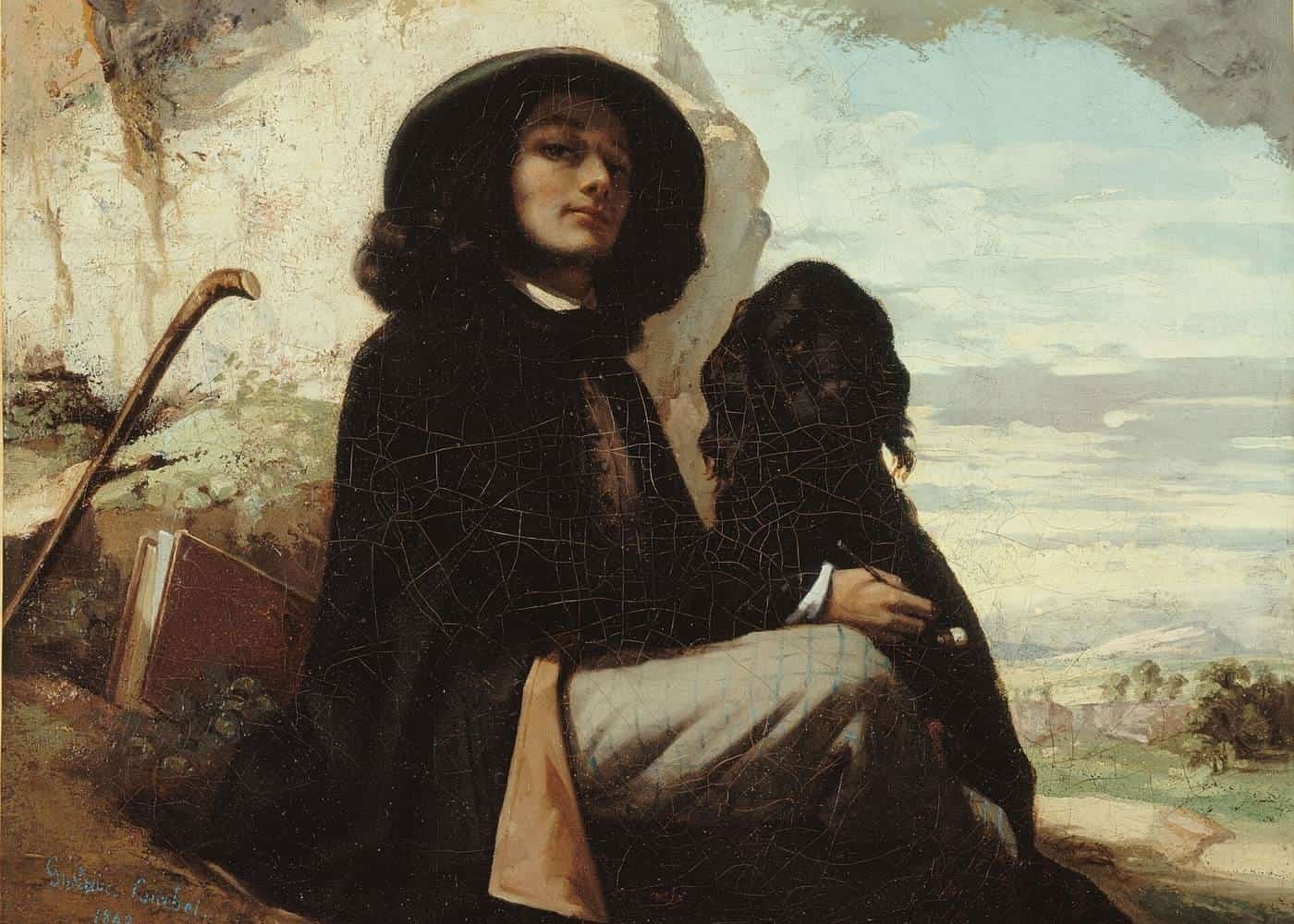
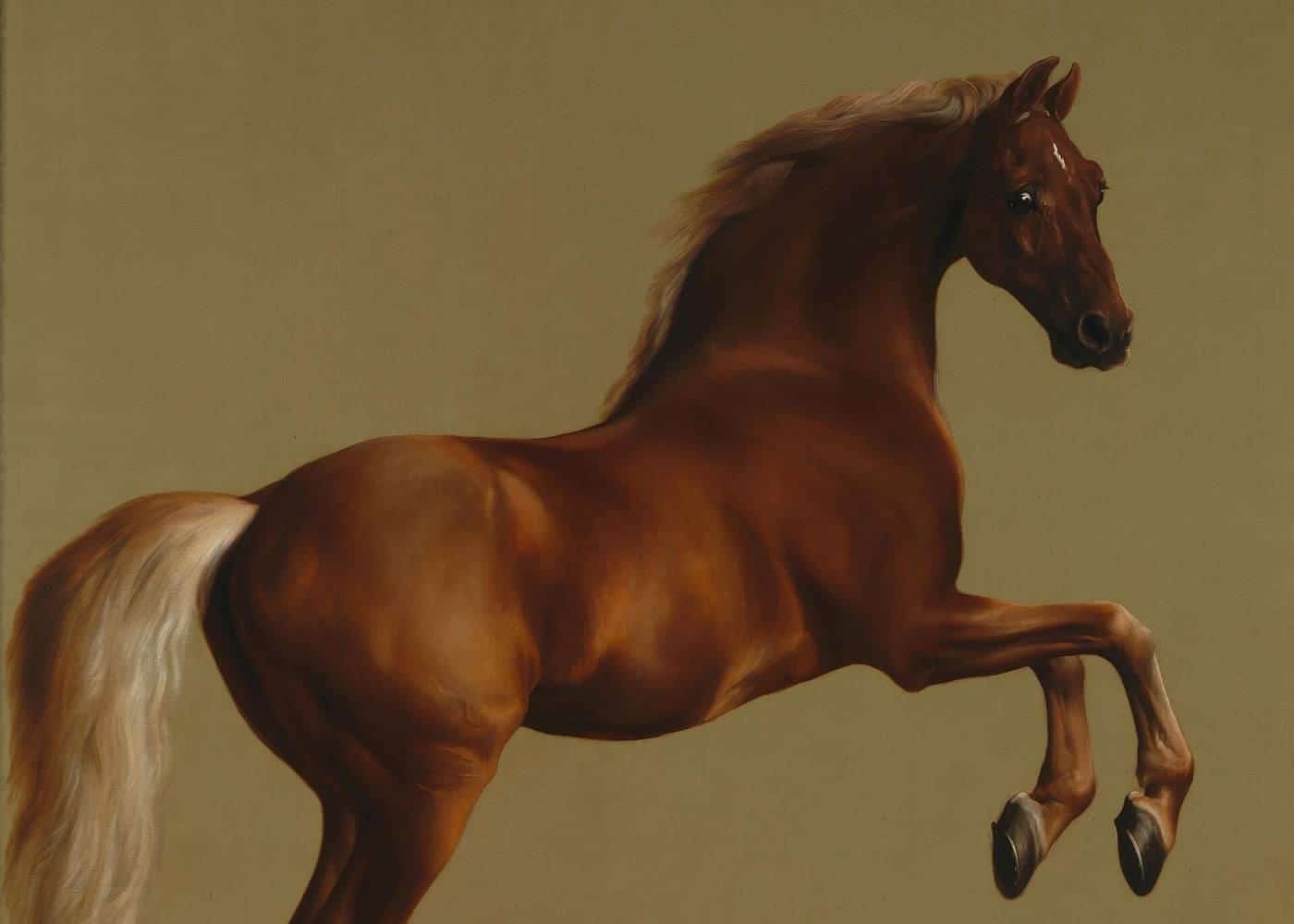
Animals have appeared in art for thousands of years, and portraits of particular, beloved animals have a long tradition. The National Gallery in London describes George Stubbs's Whistlejacket, a life-size portrait of a racehorse painted around 1762, as probably the most well-known portrait of a horse. Nineteenth-century painters made careers painting dogs and cats, and today's portrait artists continue that tradition in every medium.
Your rights when buying
The ACCC explains that consumer guarantees apply to goods and services bought from Australian businesses. Services must be provided with acceptable care and skill and within a reasonable time if no date was agreed, and goods must be of acceptable quality and match their description. Clear written terms with the artist are still your best protection.
Tell us what you think
We review our guides regularly against their sources. If you notice something out of date, have a question we haven't answered or spot an error, please let us know through our contact page. We read every message and correct mistakes promptly.
Key points
- There's no right time; go gently and ask for help choosing photos.
- Artists can often work from imperfect photos and combine details.
- Describe your pet's personality and true colouring in words.
- Ask how keepsakes such as ashes would be included and cared for.
Frequently asked questions
Can an artist work from old or blurry photos?
Often. Artists who do memorial work are used to imperfect photos. Send the best you have and describe what matters.
How soon should I commission a memorial portrait?
There's no right time. Some people commission straight away; others wait months or years.
Can ashes be included in a portrait?
Some artists offer this. Ask how it's done and whether it affects the artwork's durability.
Is it normal to grieve deeply for a pet?
Yes. Many people find losing a pet very painful. Talk to someone you trust, or a counsellor.
Sources and further reading
Facts on this page were checked against these primary and official sources. Conditions change — confirm before you travel or buy.
- Caring for paintings — Australian Institute for the Conservation of Cultural Material
- Frequently asked questions — Arts Law Centre of Australia