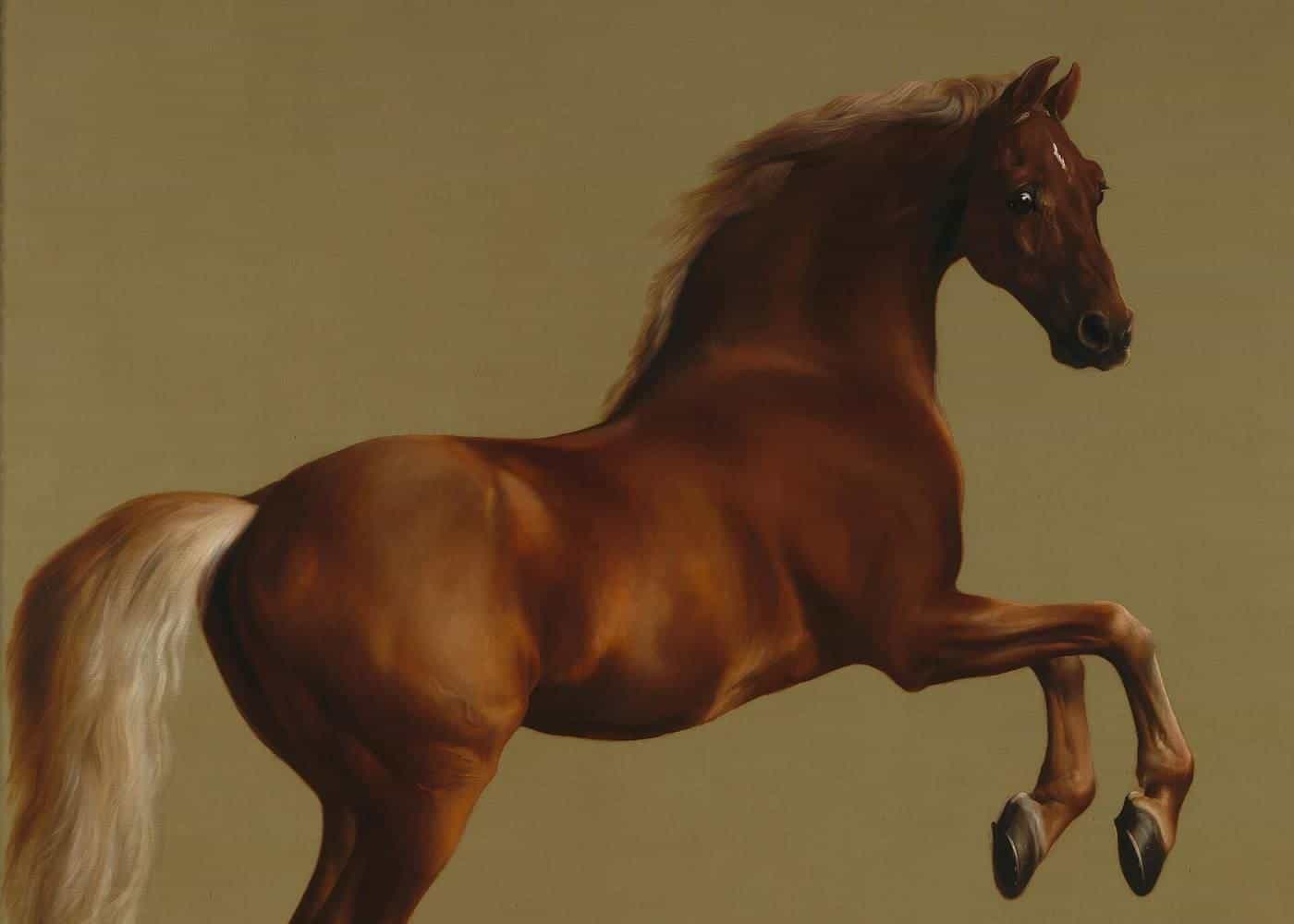
A frame does two jobs: it presents the portrait beautifully and protects it from dust, knocks, light and changes in humidity. The National Gallery in London notes that Stubbs's Whistlejacket hangs in an eighteenth-century carved and gilded frame, but you don't need anything so grand to look after your pet's portrait well. This guide explains what to ask a framer and how to choose the right spot.
This guide is general information written in our own words. We don't recommend particular artists or businesses, and we never quote prices: they vary widely with the artist, medium and size, so ask for a written quote. It isn't legal advice.
Framing by medium
| Medium | Glazing | Mat or spacer | Notes |
|---|---|---|---|
| Oil or acrylic on canvas or panel | Optional | Not usually | Often framed open to show texture |
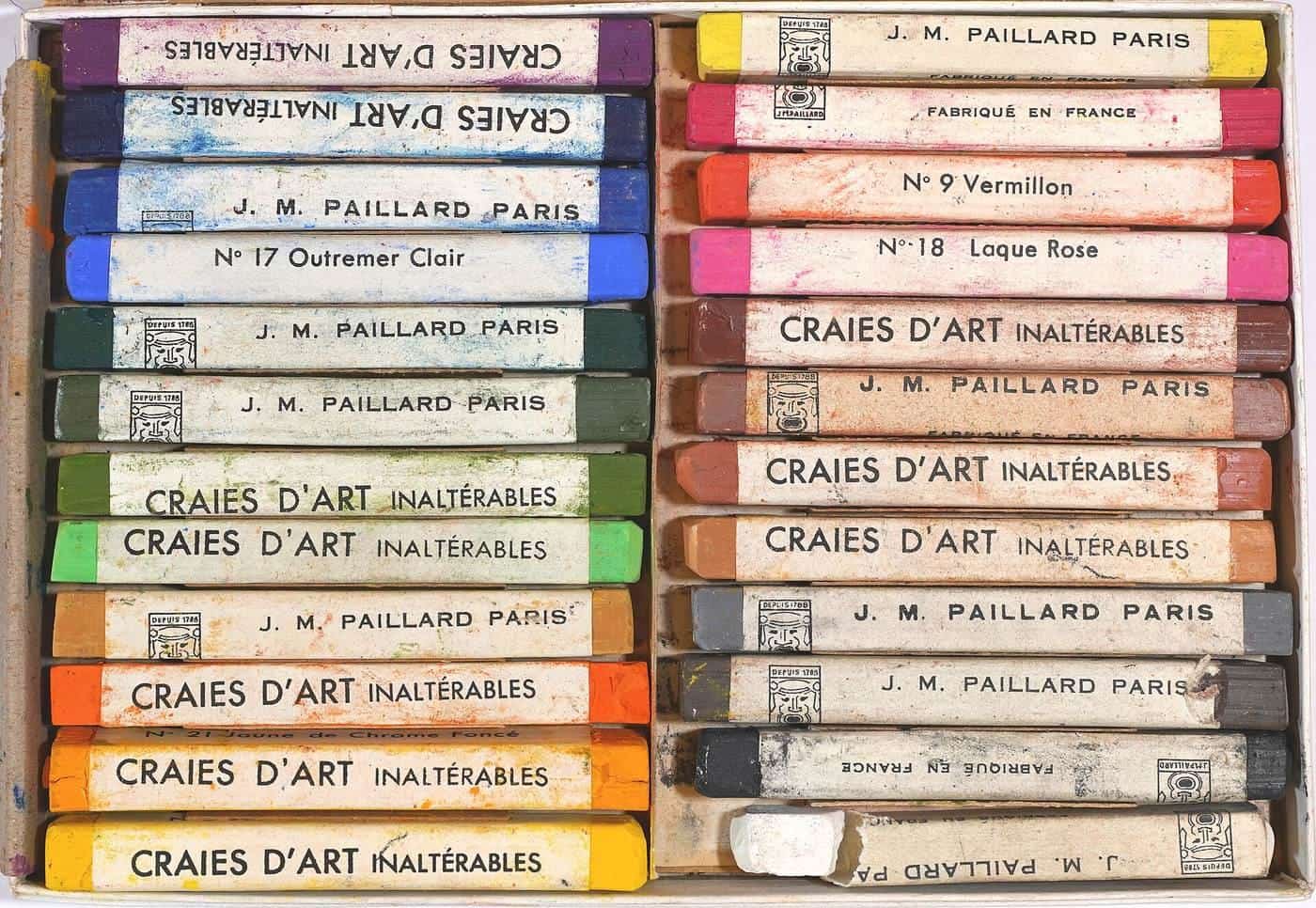
| Pastel | Essential | Essential | Glazing must not touch the surface |
| Charcoal | Essential | Essential | Very easily smudged |
| Graphite or coloured pencil | Recommended | Recommended | Protects paper from dust and handling |
| Prints (digital or reproductions) | Recommended | Recommended | Protects paper and inks |
Glazing
Glazing is the clear layer in front of the artwork, made of glass or acrylic. Options include standard glass, UV-filtering glass or acrylic, and anti-reflective or "museum" glazing that reduces glare. UV-filtering glazing blocks much of the ultraviolet light that can fade colours and yellow paper, though visible light can still cause damage, so placement still matters. Acrylic is lighter and less likely to shatter, which suits large works and homes with children, but it can scratch and build static, which may disturb loose pastel. Ask a framer experienced with your medium.
The Canadian Conservation Institute explains that glazing combined with a backing board helps create a more stable microenvironment and reduces the effect of rapid humidity changes, and that glazing also protects the front of a painting from physical damage.
Mats and spacers
A mat is a card border between the artwork and the glazing. It keeps the glass off the surface, which matters most for pastel and charcoal, and gives the artwork breathing space. Spacers do the same job when you don't want a visible border. Ask for acid-free or conservation-grade mat board, because ordinary card can discolour paper over time.
Backing boards
The AICCM recommends securing a backing board to the back of a painting's frame to buffer it from sudden changes. For works on paper, an acid-free backing board protects the back of the artwork. Ask your framer to seal the back against dust and insects.
Mounting works on paper
Works on paper should be attached in ways that can be reversed, such as hinges or corners, rather than glued or taped down permanently. Ask your framer about conservation framing, especially for valuable or memorial works.
Choosing a frame style
Choose a frame that suits both the portrait and the room. Simple wooden frames suit most portraits; gilded or ornate frames suit traditional oil paintings; slim modern frames suit contemporary styles. A wide mat can make a small portrait feel more important. Take the portrait with you to the framer, and look at corner samples against it.
Where to hang
Conservation advice is consistent. The AICCM recommends avoiding direct sunlight, exterior walls and lights containing UV. It also advises keeping paintings away from open or gas fires, heating and cooling ducts, tobacco smoke and food preparation areas. The Canadian Conservation Institute notes that the space above a fireplace is often a place of honour but isn't ideal, because it can become hot, dry and sooty, and that conditions near open doors, windows and air vents change quickly.
Good places include an internal wall in a living room, hallway or bedroom that doesn't get direct sun. Avoid bathrooms, kitchens and laundries, where humidity, steam and grease can damage artwork.
Hanging safely
Use picture hooks rated for the weight of the frame. The Canadian Conservation Institute notes that hooks are more reliable than nails and that two hooks make it easier to keep a painting level. Check the hanging wire or D-rings on the back of the frame. For heavy works, or in areas prone to earthquakes, consider extra security. Hang artwork where it won't be knocked by doors, furniture or pets' tails.
Lighting
Avoid spotlights or picture lights very close to the surface, which can heat the artwork. The Canadian Conservation Institute warns that focused lights can create damaging warm spots. LED lights produce less heat and little UV, but still keep light levels moderate.
Rotating and storing
If you have several portraits, rotating them reduces light exposure. Store unframed works flat in acid-free folders, in a dry, stable part of the house, not in a garage, attic or damp cupboard. Our caring for artwork guide covers more.
Gallery walls
A pet portrait can be the centrepiece of a gallery wall with family photos and other art. Plan the layout on the floor first, or with paper templates on the wall, and keep consistent spacing between frames. Make sure every piece in the arrangement is out of direct sun.
Use the pet portrait planner
Our free pet portrait planner shows how each medium looks, how it's displayed and cared for, and what to expect about timing. It also gives a reference-photo checklist and a list of questions to ask any artist, adjusted for the size you want, the number of animals and whether it's a memorial portrait. It runs entirely in your browser, and nothing you choose is sent anywhere.
Where our information comes from
Factual statements in our guides are based on expert and official sources, including the Arts Law Centre of Australia, the Copyright Agency and the Australian Copyright Council for copyright; the Australian Institute for the Conservation of Cultural Material and the Canadian Conservation Institute for caring for artworks; the ACCC and Scamwatch for consumer rights and safe buying; and museum collections for art history. We link to each source at the end of the page and rewrite everything in our own words.
A good commission in one sentence
A good pet portrait commission starts with an artist whose work you love, good reference photos and clear written terms, and ends with a portrait framed and hung where it's protected from sun, heat and damp. Almost everything else in this guide supports those simple steps.
Questions to ask yourself first
Before contacting an artist, ask yourself: what style and medium do I love, where will the portrait hang, how big can it be, what's my deadline, and which photos best capture my pet? Having answers ready makes your enquiry clearer and helps the artist give an accurate quote.
Pet portraits through history
Animals have appeared in art for thousands of years, and portraits of particular, beloved animals have a long tradition. The National Gallery in London describes George Stubbs's Whistlejacket, a life-size portrait of a racehorse painted around 1762, as probably the most well-known portrait of a horse. Nineteenth-century painters made careers painting dogs and cats, and today's portrait artists continue that tradition in every medium.
Your rights when buying
The ACCC explains that consumer guarantees apply to goods and services bought from Australian businesses. Services must be provided with acceptable care and skill and within a reasonable time if no date was agreed, and goods must be of acceptable quality and match their description. Clear written terms with the artist are still your best protection.
Tell us what you think
We review our guides regularly against their sources. If you notice something out of date, have a question we haven't answered or spot an error, please let us know through our contact page. We read every message and correct mistakes promptly.
Key points
- Pastel, charcoal and pencil works need glazing with a mat or spacer.
- Use acid-free mats and backing boards, and reversible mounting.
- Hang away from direct sun, exterior walls, fireplaces, vents, kitchens and bathrooms.
- Use hooks rated for the weight and avoid hot lights close to the surface.
Frequently asked questions
Does a painting need glass?
Varnished oil and acrylic paintings are often framed without glass. Glazing can still add protection.
Why use a mat?
A mat keeps glass off the artwork's surface, which is essential for pastel, charcoal and pencil.
What is UV-filtering glass?
Glazing that blocks much of the ultraviolet light that can fade artwork. It doesn't stop all light damage.
Where's the best place to hang a portrait?
Out of direct sun, away from heaters, vents, fireplaces, kitchens and bathrooms, ideally on an internal wall.
Sources and further reading
Facts on this page were checked against these primary and official sources. Conditions change — confirm before you travel or buy.
- Caring for paintings — Australian Institute for the Conservation of Cultural Material
- Basic care: paintings — Canadian Conservation Institute
- Caring for paintings — Canadian Conservation Institute
- George Stubbs, Whistlejacket, about 1762 — National Gallery, London