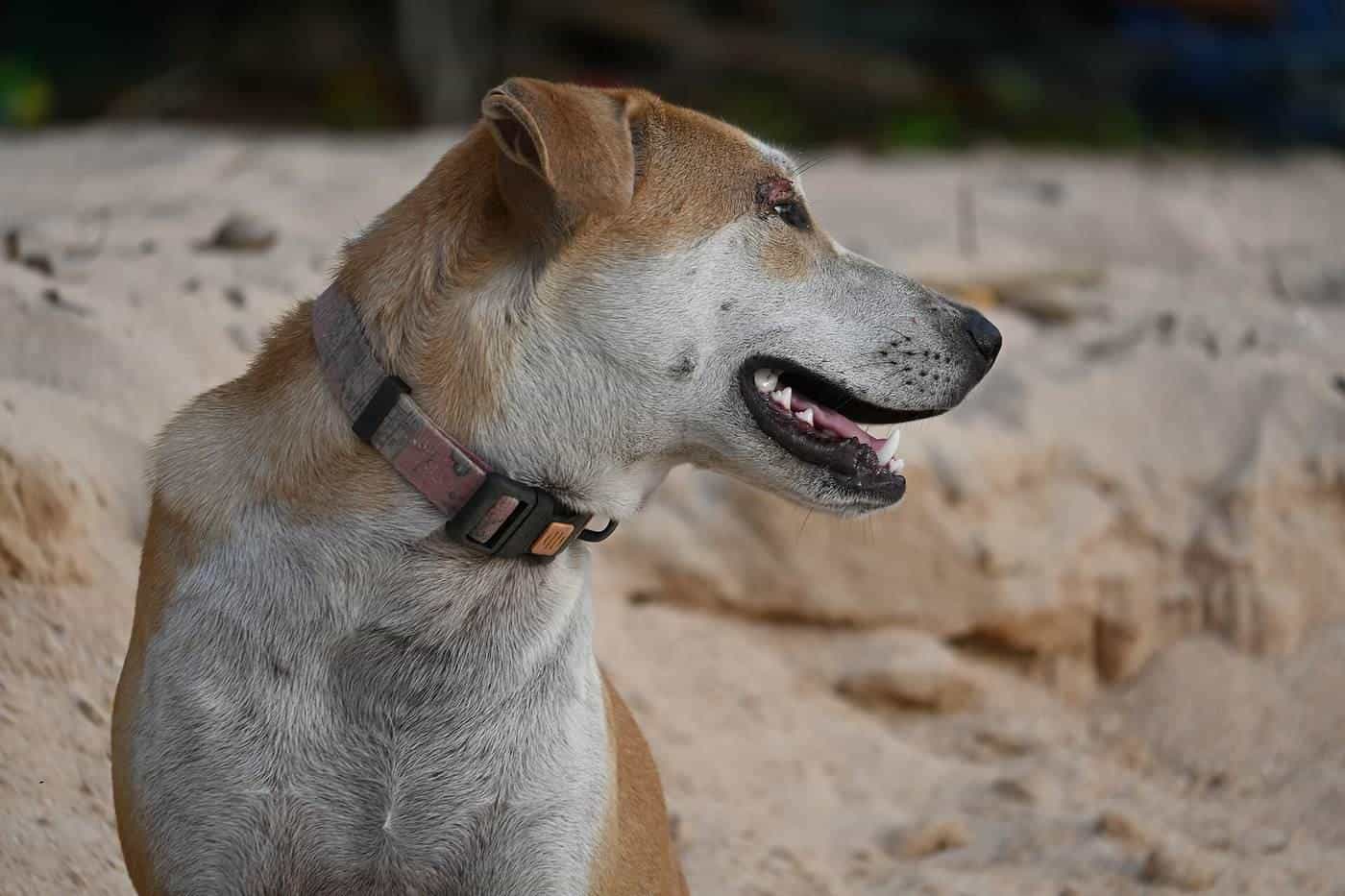
A portrait's life begins with a photograph and continues for decades on your wall. These guides cover both ends: how to take or gather reference photos that give an artist what they need, how to approach a memorial portrait, how to frame and hang a portrait well, and how to care for it in Australian homes, from humid tropics to dry inland heat.
The guides in this section
- Taking reference photos of pets Light, eye level, focus, angles, tricky coats and multiple pets.
- Memorial pet portraits Working from old photos, style, keepsakes and grief.
- Framing and displaying pet portraits Glazing, mats, backing boards, hanging and placement.
- Caring for pet portrait artwork Light, humidity, dust, mould, moving and conservators.
Reference photo essentials
- Use natural daylight; avoid harsh midday sun and turn off the flash.
- Get down to your pet's eye level.
- Focus on the eyes and check they're sharp.
- Take many photos from several angles, plus close-ups of markings.
- Send original, full-resolution files rather than screenshots.
Framing essentials
Pastel, charcoal and pencil works need glazing with a mat or spacer so nothing touches the surface. Use acid-free mats and backing boards. Varnished oil and acrylic paintings are often framed without glass, though glazing and a backing board can add protection. The Canadian Conservation Institute explains that glazing with a backing board helps reduce the effect of rapid humidity changes.
Where to hang
The Australian Institute for the Conservation of Cultural Material (AICCM) recommends avoiding direct sunlight, exterior walls and lights containing UV, and keeping paintings away from fires, heating and cooling ducts, smoke and food preparation areas. The Canadian Conservation Institute adds that the space above a fireplace isn't ideal because conditions there fluctuate. An internal wall in a lived-in room is usually the best choice.
Light, humidity and mould
Light damage can't be reversed, so keep artwork out of direct sun at every time of day. Stable temperature and humidity matter more than perfect numbers. The AICCM's environmental guidelines recommend keeping relative humidity below 70% to prevent mould, which is a particular risk in humid parts of Australia. Good air flow and avoiding damp rooms help.
Memorial portraits
Many portraits are commissioned after a pet has died. Artists who do memorial work are used to working from older or imperfect photos and can often combine details from several images. Describe your pet's personality and true colouring in words, and take your time.
When to get expert help
If paint is flaking or cracking, you see mould, or a work is torn or water-damaged, contact a conservator rather than attempting repairs yourself. The AICCM explains that conservators can clean, consolidate, remove mould, repair tears and reframe works with proper padding and backing.
Photograph your portrait
Once your portrait arrives, photograph it in good, even light. A good photo is useful for insurance, for sharing with family and as a record if the artwork is ever damaged.
Moving house with artwork
Wrap framed works in clean blankets or bubble wrap with the bubbles facing outwards, protect the corners, pack them upright and don't leave them in a hot car or truck. Move sentimental works yourself if you can.
Displaying more than one portrait
If you have portraits of several pets, consider hanging them together in matching frames, or rotating them so each spends time out of the light. Keep a record of each work: the artist, medium, date and any care notes.
Insurance
Valuable or irreplaceable artworks may need to be listed on your home contents insurance. Check your policy, keep receipts and the artist's details, and photograph the work. Ask your insurer whether artworks are covered in transit, for example when moving house.
Seasonal checks
Once or twice a year, check your portraits: look for fading, changes in the paint or paper, dust inside glazing, loose hanging wires and signs of insects or damp. Seasons change how sunlight falls in a room, so check that a summer sunbeam hasn't started reaching a portrait.
Five steps to a portrait you'll treasure
- Choose an artist whose existing work you love, in the medium you want.
- Take or gather good reference photos: sharp, well lit and at eye level.
- Get written terms covering price, inclusions, deposit, timeline, changes and copyright.
- Approve the composition early, when changes are easiest.
- Frame and hang it well, away from direct sun, heat and damp.
About these guides
Pet Portrait Artist is an independent information site about commissioning, photographing for and caring for pet portraits in Australia. We aren't an artist, studio, gallery, marketplace or framer, and we don't recommend particular artists or businesses. Our guides are general information written in our own words, with expert and official sources listed on every page. They aren't legal advice.
How we keep these guides current
We review each guide against its sources and show the date it was last checked. Copyright law, consumer rules and conservation guidance change from time to time. If you notice something out of date, please tell us through our contact page, and we'll check and correct it.
Use the pet portrait planner
Our free pet portrait planner shows how each medium looks and is cared for, and gives a reference-photo checklist and questions to ask an artist. It runs entirely in your browser, and nothing you choose is sent anywhere.
Guides in this section
Photos & care
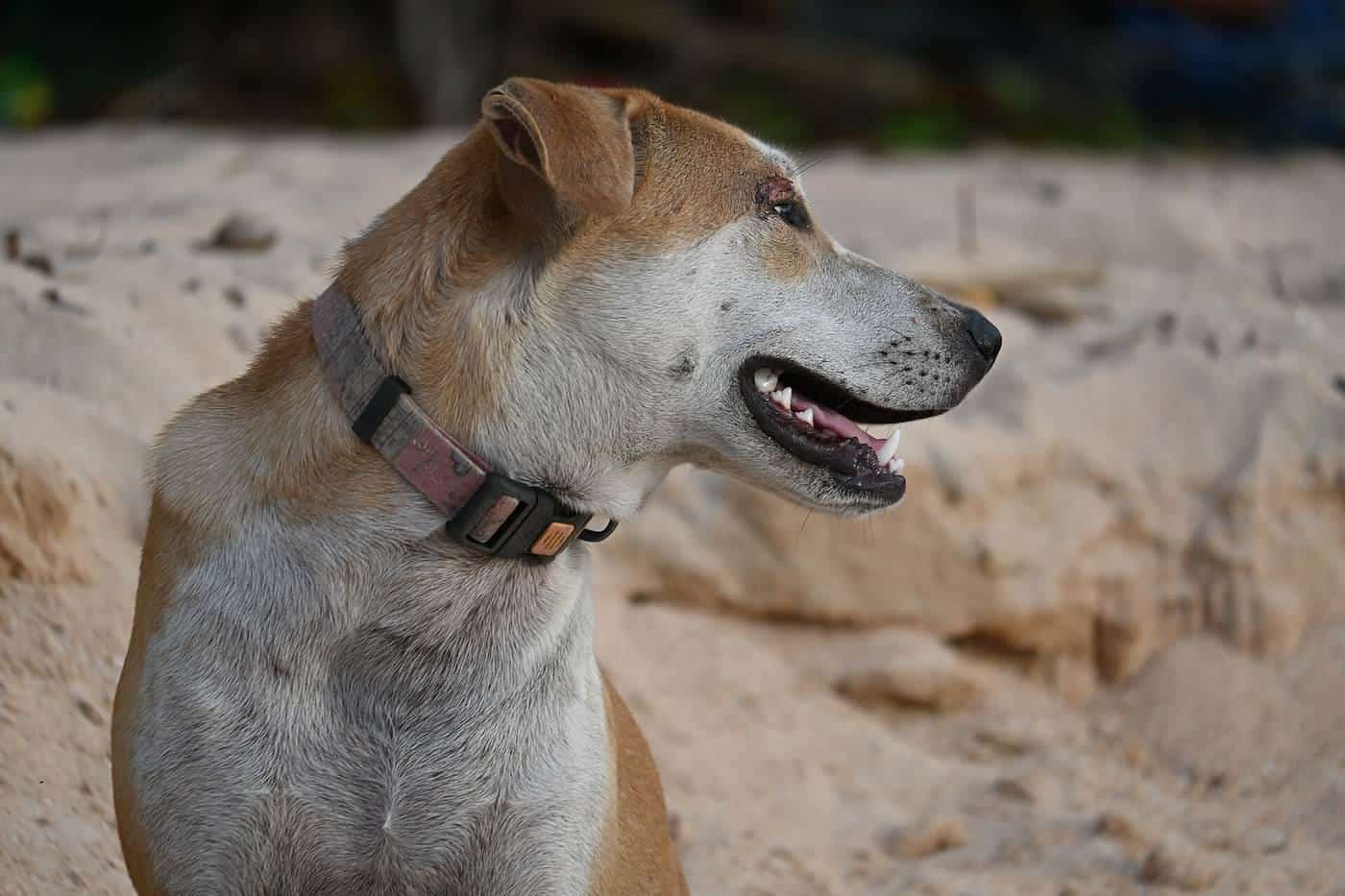
Taking reference photos of pets
How to take great reference photos for a pet portrait: light, eye level, focus, angles, markings, black and white coats and multiple pets.
Read · 6 min
Photos & care
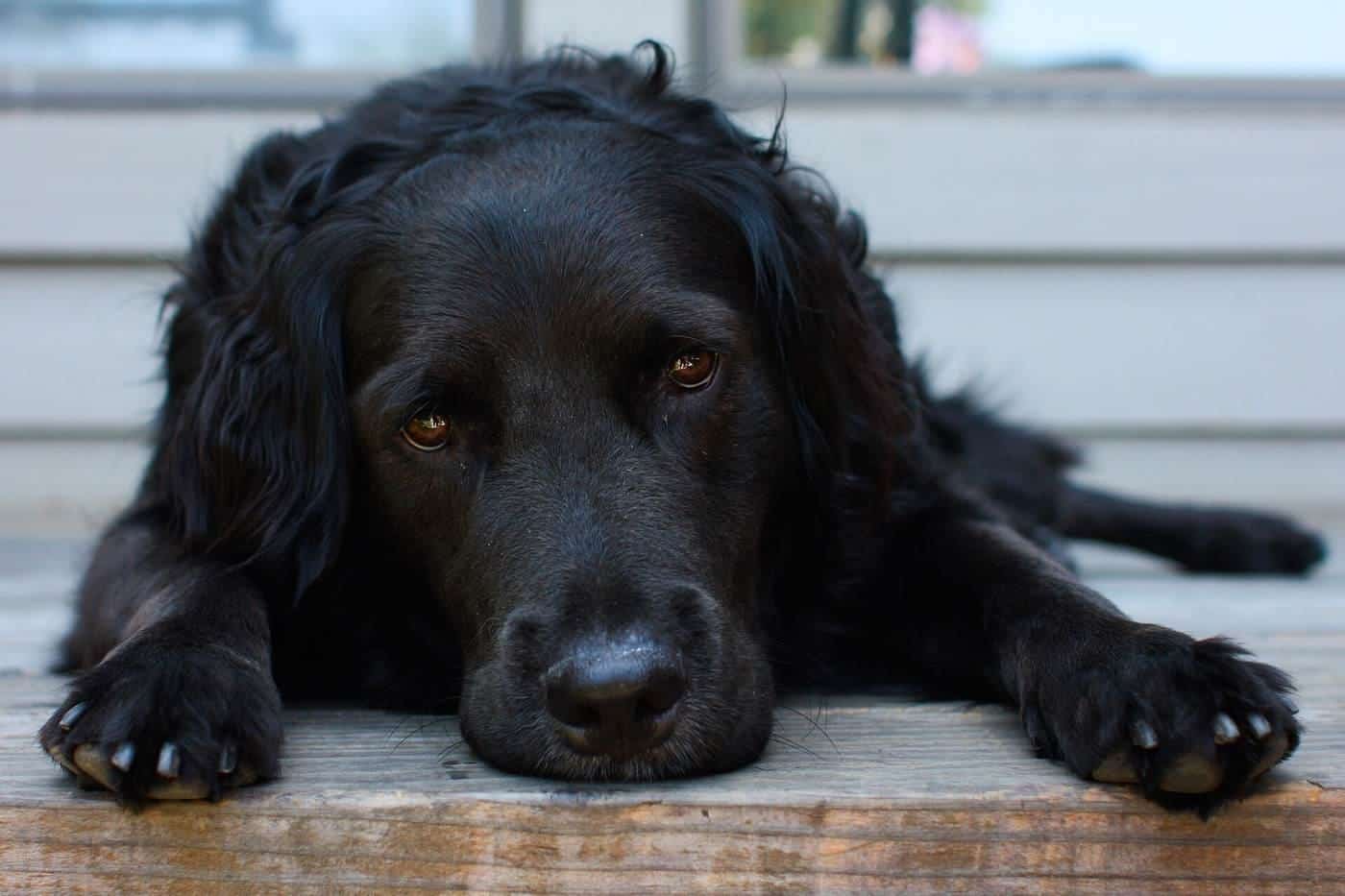
Memorial pet portraits
A gentle guide to memorial pet portraits: working from old photos, choosing a style, including ashes or keepsakes, timing and supporting grief.
Read · 6 min
Photos & care
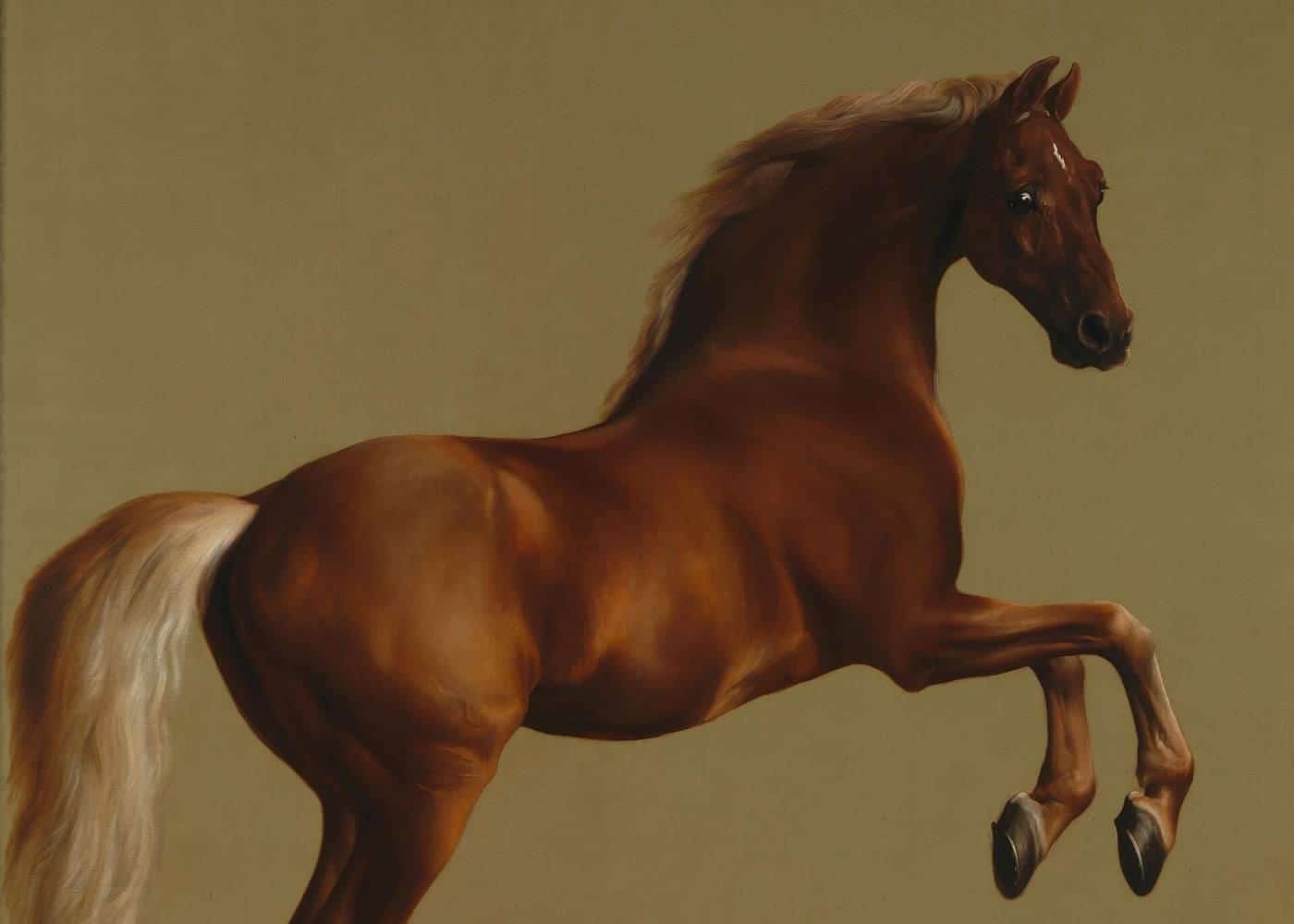
Framing and displaying pet portraits
How to frame and display a pet portrait: glazing, mats and spacers, acid-free materials, backing boards, hanging safely and choosing the right wall.
Read · 6 min
Photos & care
Caring for pet portrait artwork
How to care for a pet portrait at home: light, temperature and humidity, dust, mould, Australian climates, moving and when to call a conservator.
Read · 6 min
Frequently asked questions
What makes a good reference photo?
Sharp focus on the eyes, natural daylight without flash and a camera at your pet's eye level.
Does a portrait need glass?
Pastel, charcoal, pencil and prints do. Varnished paintings often don't.
Where should I hang a portrait?
Away from direct sun, heaters, vents, fireplaces, kitchens and bathrooms, ideally on an internal wall.
How do I prevent mould on artwork?
Keep relative humidity below 70%, ensure good air flow and avoid damp rooms, as the AICCM recommends.
Sources and further reading
Facts on this page were checked against these primary and official sources. Conditions change — confirm before you travel or buy.
- Caring for paintings — Australian Institute for the Conservation of Cultural Material
- Environmental guidelines — Australian Institute for the Conservation of Cultural Material
- Basic care: paintings — Canadian Conservation Institute
- Caring for paintings — Canadian Conservation Institute