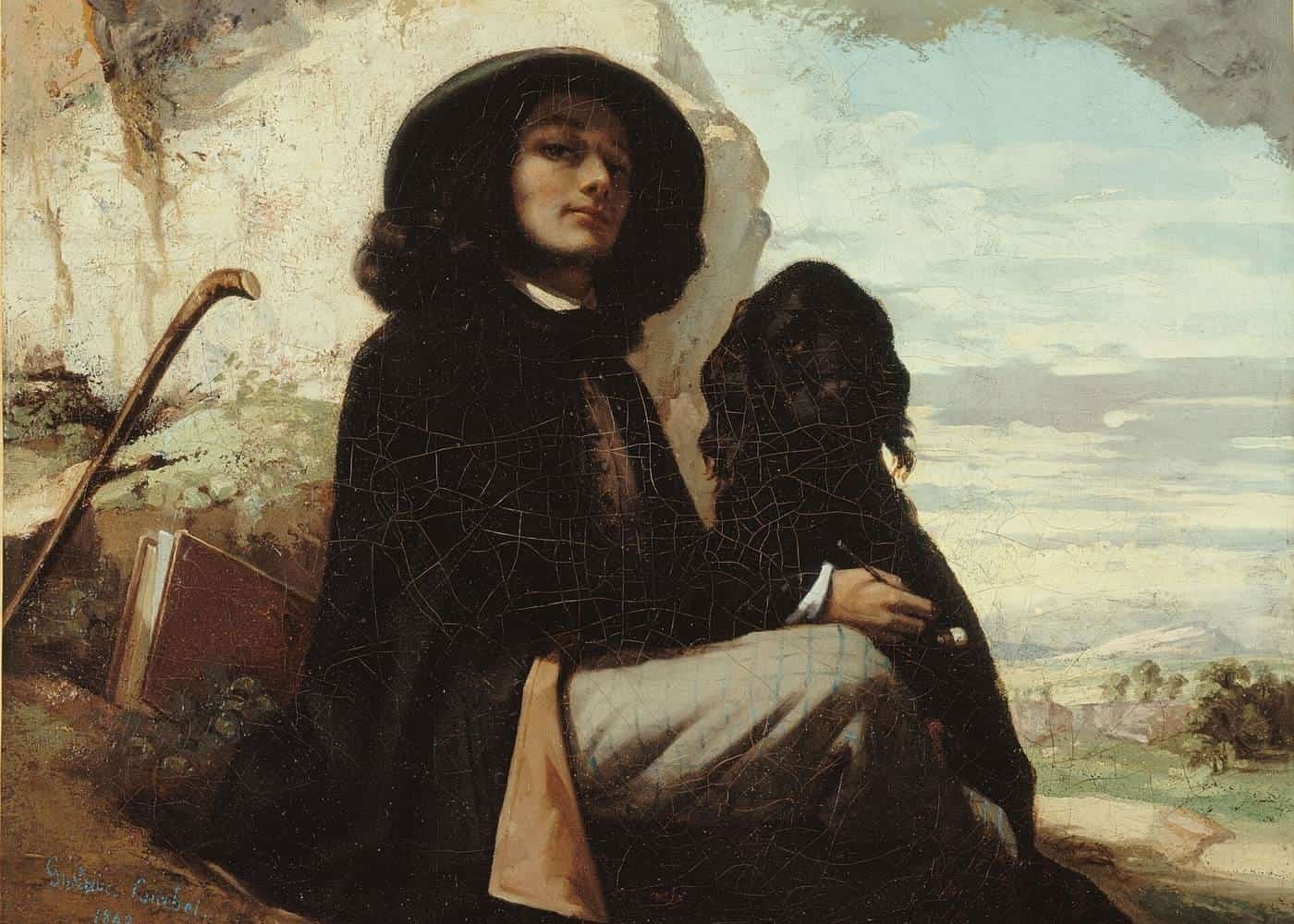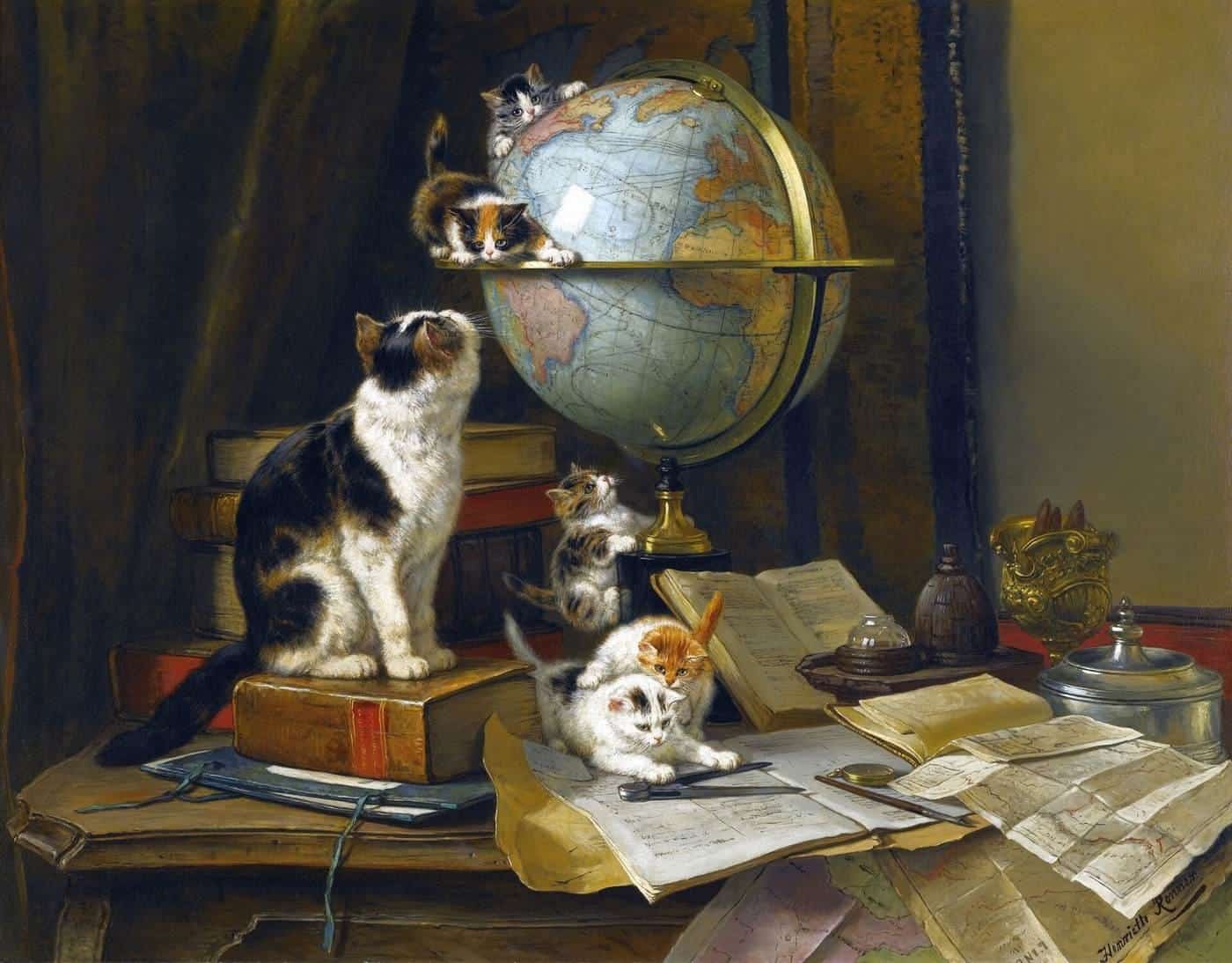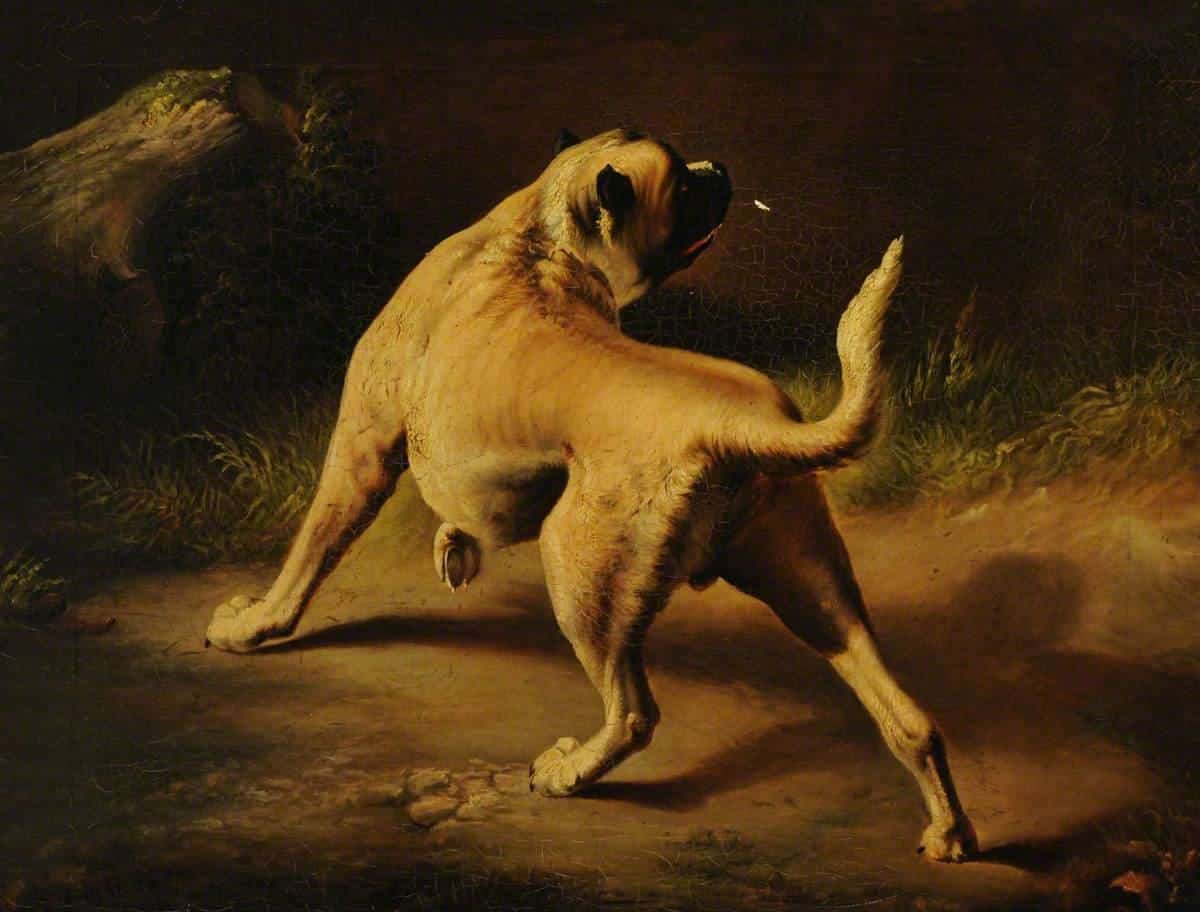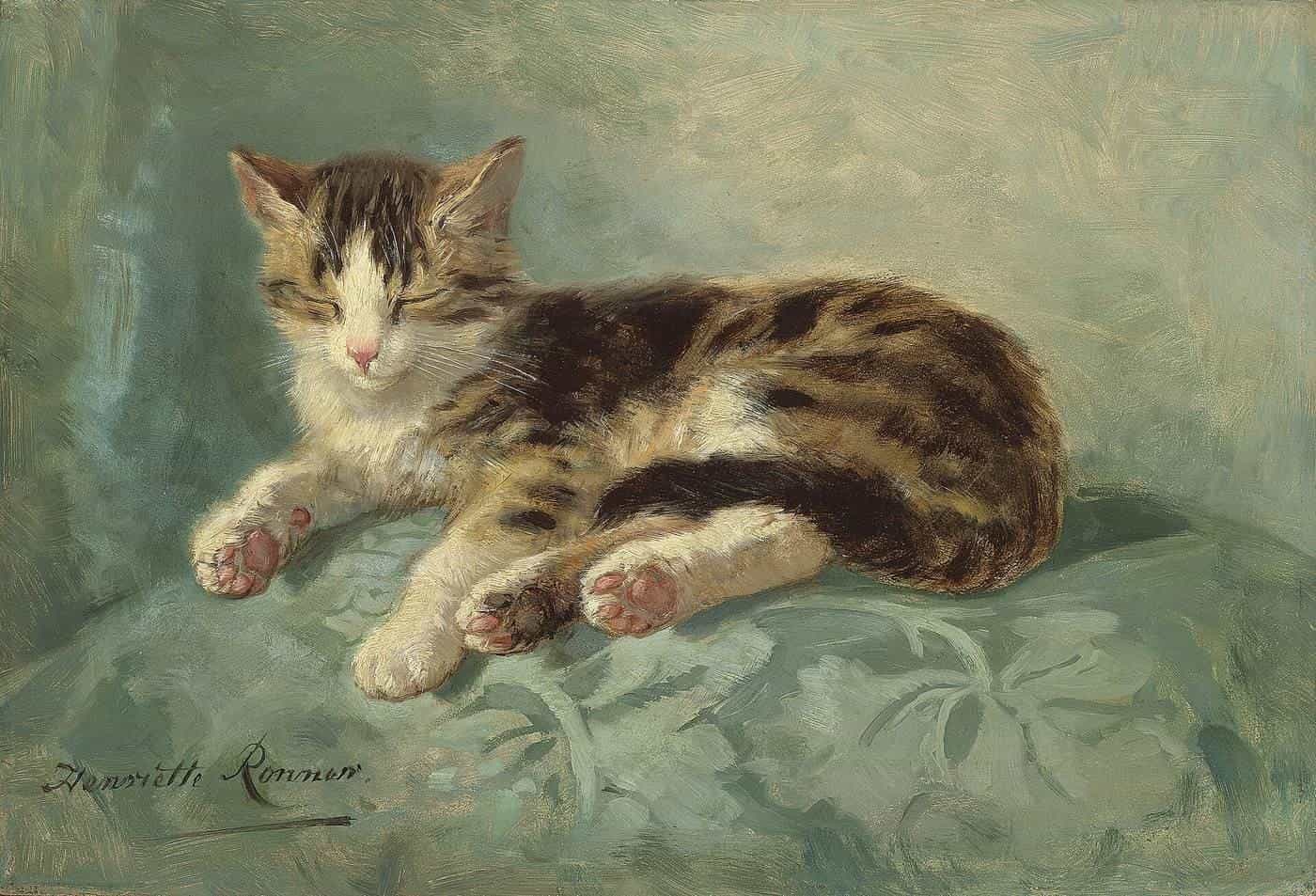
There are many pet portrait artists in Australia and overseas, working in every medium and style. Choosing one can feel overwhelming, especially when the portrait matters so much. The good news is that a little research goes a long way. This guide explains how to judge a portfolio, what to ask and how to spot warning signs.
This guide is general information written in our own words. We don't recommend particular artists or businesses, and we never quote prices: they vary widely with the artist, medium and size, so ask for a written quote. It isn't legal advice.
Start with style
The most important question is simple: do you love this artist's work? Every artist has a style, even realists. Some focus on photographic detail; others on mood, light or colour. Some prefer plain backgrounds; others build scenes. Look for an artist whose existing work already looks like the portrait you imagine, rather than hoping they'll change their style for you.
Judge the portfolio
When you look at an artist's portfolio, pay attention to:
- Eyes. Do they look alive, with light reflections and the right shape and colour?
- Fur and texture. Does the coat look soft, wiry, curly or sleek as it should?
- Proportions. Do heads, ears, legs and bodies look natural?
- Likeness. If they show the reference photo beside the portrait, does it capture the individual animal?
- Consistency. Are most portraits strong, or only a few?
- Animals like yours. Black dogs, white cats, long coats and horses each have challenges. See whether they've painted similar subjects.
Medium matters
Choose an artist who works in the medium you want, and who uses quality materials. Ask about paints, pastels, papers and supports, and whether they're described as archival or lightfast. Our mediums guides explain the options.
Communication
You'll be working with this person for weeks or months. Notice how they respond to your enquiry. Do they answer questions clearly, explain their process and set expectations about timing? Do they provide written terms? Clear communication at the start is a good sign of a smooth commission.
Reviews and testimonials
Testimonials on an artist's own site are selected by the artist. Independent reviews, social media comments and recommendations from friends can give a wider picture. Many artists will happily share contact details of past clients. Be wary of reviews that seem generic or identical.
Location
Local artists let you see originals in person, discuss the commission face to face and avoid postage risks. But many artists work from photos and ship nationally or internationally, which widens your choice. If you're commissioning from overseas, consider shipping time, customs, currency, and the fact that Australian consumer law protections may be harder to rely on with an overseas business.
Waiting lists and timing
Popular artists often have waiting lists of weeks or months. If you have a deadline, such as a birthday or Christmas, ask early and get the expected completion date in writing.
Questions to ask before you commit
- What's included in the price: framing, glass, postage, insurance?
- What deposit is needed, and when is the balance due?
- Will I see a sketch or progress photos? How many changes are included?
- What's the expected timeline?
- What happens if either of us needs to cancel?
- Who owns copyright, and may you share images or sell prints?
- How will the portrait be packed and delivered?
Our pet portrait planner generates a version of this list you can take to any artist.
Red flags
- No physical address, ABN or clear contact details for an Australian business.
- Portfolio images that look copied from other artists (a reverse image search can help).
- Pressure to pay the full amount upfront with unusual payment methods.
- Prices that seem far too low for the work shown.
- No written terms, or reluctance to answer questions.
Scamwatch, run by the National Anti-Scam Centre, warns about fake online sellers and recommends being cautious of deals that seem too good to be true and payment methods that are hard to trace. Pay using methods that offer some protection, such as a credit card or a reputable payment service.
Supporting artists fairly
Portrait artists are small businesses. A fair commission respects their time and skill: give clear briefs and good photos, respond to questions promptly, pay as agreed and ask before sharing their work publicly. Credit the artist if you post the portrait online.
Trust your instincts
If something doesn't feel right, keep looking. The right artist will make you feel confident, listened to and excited about the portrait.
Exhibitions, markets and art shows
Seeing artists' work in person is one of the best ways to choose. Pet portrait artists often show at local art shows, markets, pet expos and community exhibitions. Seeing originals lets you judge colour, texture and detail that photos on a screen can't show, and gives you a chance to chat with the artist about how they work.
Use the pet portrait planner
Our free pet portrait planner shows how each medium looks, how it's displayed and cared for, and what to expect about timing. It also gives a reference-photo checklist and a list of questions to ask any artist, adjusted for the size you want, the number of animals and whether it's a memorial portrait. It runs entirely in your browser, and nothing you choose is sent anywhere.
Where our information comes from
Factual statements in our guides are based on expert and official sources, including the Arts Law Centre of Australia, the Copyright Agency and the Australian Copyright Council for copyright; the Australian Institute for the Conservation of Cultural Material and the Canadian Conservation Institute for caring for artworks; the ACCC and Scamwatch for consumer rights and safe buying; and museum collections for art history. We link to each source at the end of the page and rewrite everything in our own words.
A good commission in one sentence
A good pet portrait commission starts with an artist whose work you love, good reference photos and clear written terms, and ends with a portrait framed and hung where it's protected from sun, heat and damp. Almost everything else in this guide supports those simple steps.
Questions to ask yourself first
Before contacting an artist, ask yourself: what style and medium do I love, where will the portrait hang, how big can it be, what's my deadline, and which photos best capture my pet? Having answers ready makes your enquiry clearer and helps the artist give an accurate quote.
Pet portraits through history
Animals have appeared in art for thousands of years, and portraits of particular, beloved animals have a long tradition. The National Gallery in London describes George Stubbs's Whistlejacket, a life-size portrait of a racehorse painted around 1762, as probably the most well-known portrait of a horse. Nineteenth-century painters made careers painting dogs and cats, and today's portrait artists continue that tradition in every medium.
Your rights when buying
The ACCC explains that consumer guarantees apply to goods and services bought from Australian businesses. Services must be provided with acceptable care and skill and within a reasonable time if no date was agreed, and goods must be of acceptable quality and match their description. Clear written terms with the artist are still your best protection.
Tell us what you think
We review our guides regularly against their sources. If you notice something out of date, have a question we haven't answered or spot an error, please let us know through our contact page. We read every message and correct mistakes promptly.
Key points
- Choose an artist whose existing work already matches the portrait you want.
- Look closely at eyes, fur, proportions and likeness in the portfolio.
- Ask about inclusions, deposits, changes, timeline, cancellation and copyright.
- Watch for red flags and use payment methods that offer protection.
Frequently asked questions
How do I know if an artist is good?
Look at many examples of their animal portraits, especially eyes, fur and proportions, and how consistently they capture likeness.
Should I choose a local artist?
Local artists let you see work in person and avoid postage, but many artists work from photos and ship nationally.
How can I avoid scams?
Check the artist's history and contact details, use secure payment methods and be wary of prices that seem too good to be true.
Is it okay to ask for references?
Yes. Many artists are happy to share testimonials or put you in touch with past clients.
Sources and further reading
Facts on this page were checked against these primary and official sources. Conditions change — confirm before you travel or buy.
- Scamwatch — National Anti-Scam Centre
- Repair, replace, refund, cancel — ACCC
- Frequently asked questions — Arts Law Centre of Australia