Most pet portraits today are painted or drawn from photographs. That makes your reference photos the most important thing you contribute to the commission. A sharp, well-lit photo taken at your pet's eye level gives the artist the information they need to capture fur, colour, expression and that special look in the eyes. This guide explains how to take great reference photos with any camera or phone.
This guide is general information written in our own words. We don't recommend particular artists or businesses, and we never quote prices: they vary widely with the artist, medium and size, so ask for a written quote. It isn't legal advice.
Light is everything
Natural daylight gives the most accurate colour and detail. Good options include:
- Outdoors on a bright, overcast day, which gives soft, even light.
- In open shade, such as under a verandah, on a sunny day.
- Indoors near a large window, with your pet facing the light.
Avoid harsh midday sun, which creates strong shadows and squinting, and dim indoor light, which causes blur and grainy, discoloured photos. Turn off the flash: it flattens fur, washes out colour and can create glowing eyes.
Get down to their level
Photos taken from standing height look down on your pet, which distorts their proportions and hides their eyes. Crouch, kneel or lie down so the camera is at your pet's eye level. For small pets, place them on a sofa or table (safely) so you can get level more easily.
Focus on the eyes
Artists often say the eyes make or break a portrait. Tap on your pet's eyes on your phone screen to focus there. Check that the eyes are sharp when you zoom in. A catchlight, the small reflection of light in the eye, adds life.
Fill the frame
Get close enough that your pet fills most of the frame, without cutting off ears or important features. Use your phone's main lens rather than digital zoom, which reduces quality. If you need to crop, do it later from a high-resolution original.
Take lots of photos
Pets move, blink and look away. Take many photos in short sessions and choose the best. Use burst mode for active pets. A helper can hold a treat or toy just above the camera to get attention and alert ears.
Angles to capture
Send the artist a selection, including:
- A straight-on, eye-level portrait.
- A three-quarter view (head turned slightly), which many artists find flattering.
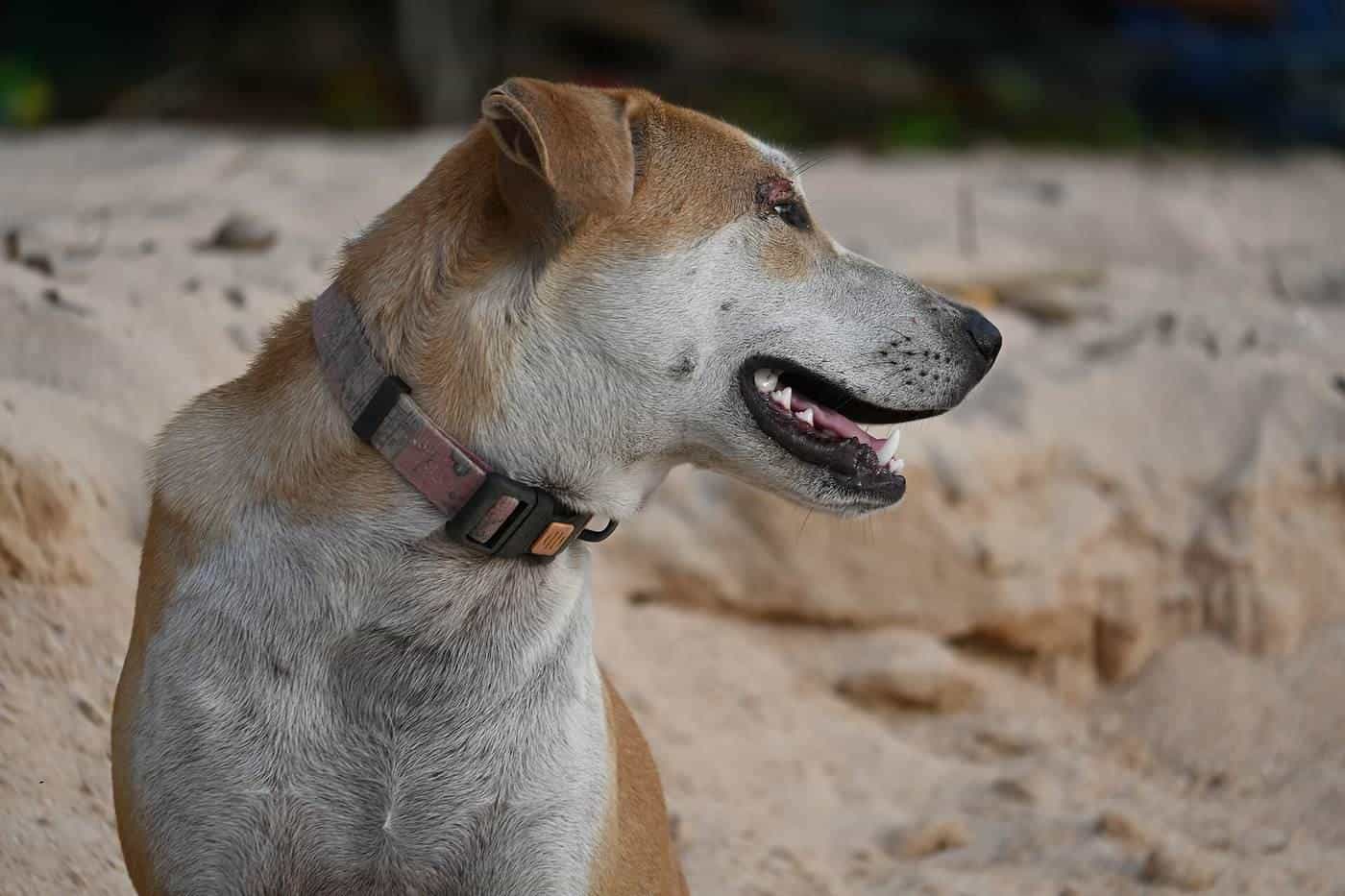
- A side profile.
- A full-body photo, if you want more than head and shoulders.
- Close-ups of eyes, nose, markings, unusual features and coat texture.
Even if you've chosen a favourite pose, extra photos help the artist understand your pet's colouring and shape.
Tricky coats
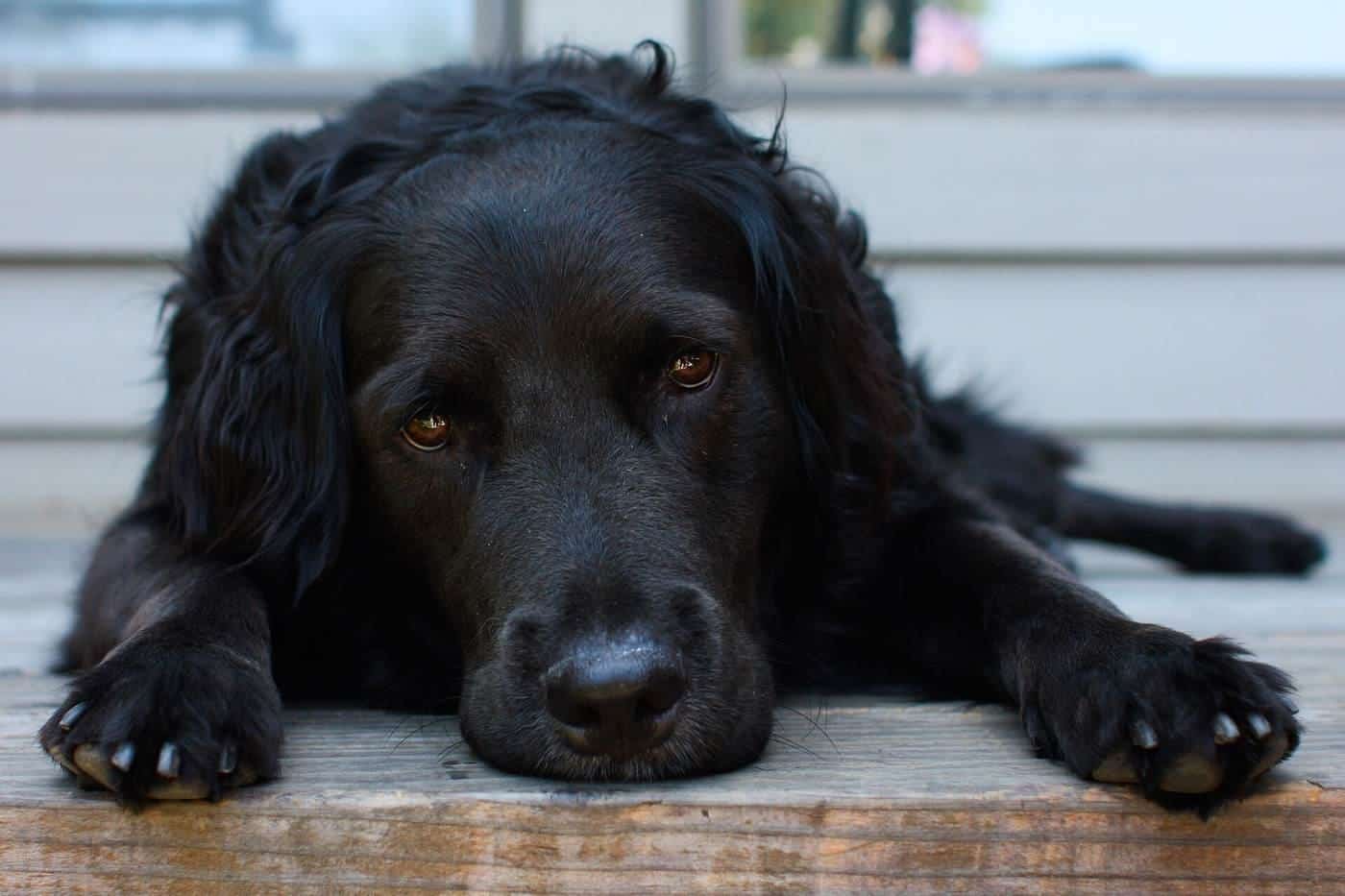
Black coats can photograph as a flat dark shape. Bright, indirect daylight helps show the shine and detail. Avoid underexposing; tap on the coat to brighten exposure.
White coats can blow out to pure white in bright light. Overcast light or shade helps, and tapping on the coat can reduce exposure.
Long or curly coats benefit from a brush beforehand, and from close-ups showing texture.
More than one pet
If you want several animals in one portrait, they don't need to be photographed together. In fact, separate photos are often better. Try to photograph each one in similar light and at a similar angle, and tell the artist how big each animal is relative to the others.
Backgrounds
A plain, uncluttered background makes it easier to see your pet's outline. If you want a particular background in the portrait, such as a favourite beach, take separate photos of the place.
Colour accuracy
Phone cameras and screens can shift colours. If your pet's coat or eyes look different in photos than in real life, tell the artist, and describe the true colours in words, for example "golden amber eyes" or "more red than brown".
Expression and personality
Think about what makes your pet who they are: a head tilt, a lopsided ear, a favourite toy or a cheeky expression. Capture photos that show it, and tell the artist what you'd like to emphasise.
Sending photos
Send original, full-resolution files rather than screenshots or images compressed by messaging apps, which can lose detail. Email, file-sharing links or "send original" options work well. Label photos if you're sending many.
Photographer's photos
If you want to use a photo taken by a professional photographer, check that you have permission to use it as a reference. The Arts Law Centre of Australia and the Copyright Agency explain that copyright in photos generally belongs to the creator, with some exceptions. Our copyright guide explains more.
Photographing cats
Cats tend to ignore cameras. Try photographing them when they're relaxed, such as after a meal or in a favourite sunny spot by a window (but not in harsh direct sun). A toy dangled above the lens or a gentle sound can win a moment of attention. Be patient and keep sessions short.
Photographing horses
For horses, photograph outdoors in soft light, with the horse standing square for full-body shots and at eye level for head studies. A helper holding the horse and attracting its attention can bring the ears forward. Include close-ups of markings, whorls and the eyes.
Use the pet portrait planner
Our free pet portrait planner shows how each medium looks, how it's displayed and cared for, and what to expect about timing. It also gives a reference-photo checklist and a list of questions to ask any artist, adjusted for the size you want, the number of animals and whether it's a memorial portrait. It runs entirely in your browser, and nothing you choose is sent anywhere.
Where our information comes from
Factual statements in our guides are based on expert and official sources, including the Arts Law Centre of Australia, the Copyright Agency and the Australian Copyright Council for copyright; the Australian Institute for the Conservation of Cultural Material and the Canadian Conservation Institute for caring for artworks; the ACCC and Scamwatch for consumer rights and safe buying; and museum collections for art history. We link to each source at the end of the page and rewrite everything in our own words.
A good commission in one sentence
A good pet portrait commission starts with an artist whose work you love, good reference photos and clear written terms, and ends with a portrait framed and hung where it's protected from sun, heat and damp. Almost everything else in this guide supports those simple steps.
Questions to ask yourself first
Before contacting an artist, ask yourself: what style and medium do I love, where will the portrait hang, how big can it be, what's my deadline, and which photos best capture my pet? Having answers ready makes your enquiry clearer and helps the artist give an accurate quote.
Pet portraits through history
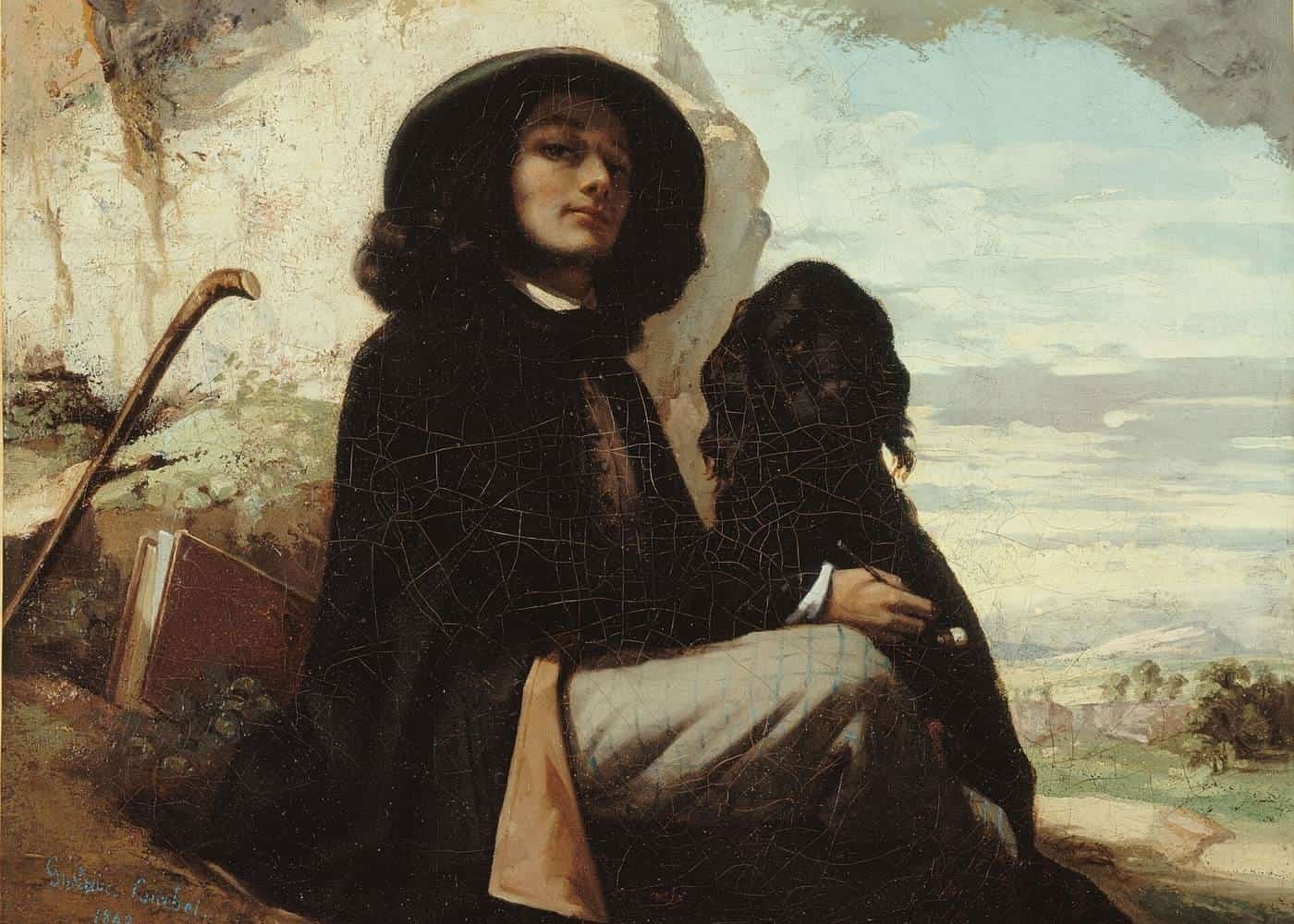
Animals have appeared in art for thousands of years, and portraits of particular, beloved animals have a long tradition. The National Gallery in London describes George Stubbs's Whistlejacket, a life-size portrait of a racehorse painted around 1762, as probably the most well-known portrait of a horse. Nineteenth-century painters made careers painting dogs and cats, and today's portrait artists continue that tradition in every medium.
Your rights when buying
The ACCC explains that consumer guarantees apply to goods and services bought from Australian businesses. Services must be provided with acceptable care and skill and within a reasonable time if no date was agreed, and goods must be of acceptable quality and match their description. Clear written terms with the artist are still your best protection.
Tell us what you think
We review our guides regularly against their sources. If you notice something out of date, have a question we haven't answered or spot an error, please let us know through our contact page. We read every message and correct mistakes promptly.
Key points
- Use natural daylight and turn off the flash.
- Shoot at your pet's eye level and focus on the eyes.
- Take many photos from several angles, plus close-ups of markings.
- Send original full-resolution files, not screenshots.
Frequently asked questions
Can I use phone photos?
Yes. Modern phones take excellent reference photos if the light is good and the photo is sharp.
Should I use flash?
Avoid it. Flash flattens fur and can cause red or green eye reflections. Natural daylight is better.
How many photos should I send?
Several, from different angles, plus close-ups of eyes and markings. Ask the artist what they prefer.
What if my pet won't sit still?
Take lots of photos in short sessions, use treats or toys, and ask a helper to get their attention.
Sources and further reading
Facts on this page were checked against these primary and official sources. Conditions change — confirm before you travel or buy.
- Frequently asked questions — Arts Law Centre of Australia
- Ownership — Copyright Agency