Pastel is one of the most popular mediums for pet portraits, and once you see a good pastel portrait up close, it's easy to understand why. The soft, velvety marks capture the texture of fur, the shine of a nose and the glow of an eye. But pastel is also delicate, and it needs to be framed and displayed with care. This guide explains how pastel works, what to ask an artist and how to look after a pastel portrait.
This guide is general information written in our own words. We don't recommend particular artists or businesses, and we never quote prices: they vary widely with the artist, medium and size, so ask for a written quote. It isn't legal advice.
What pastel is
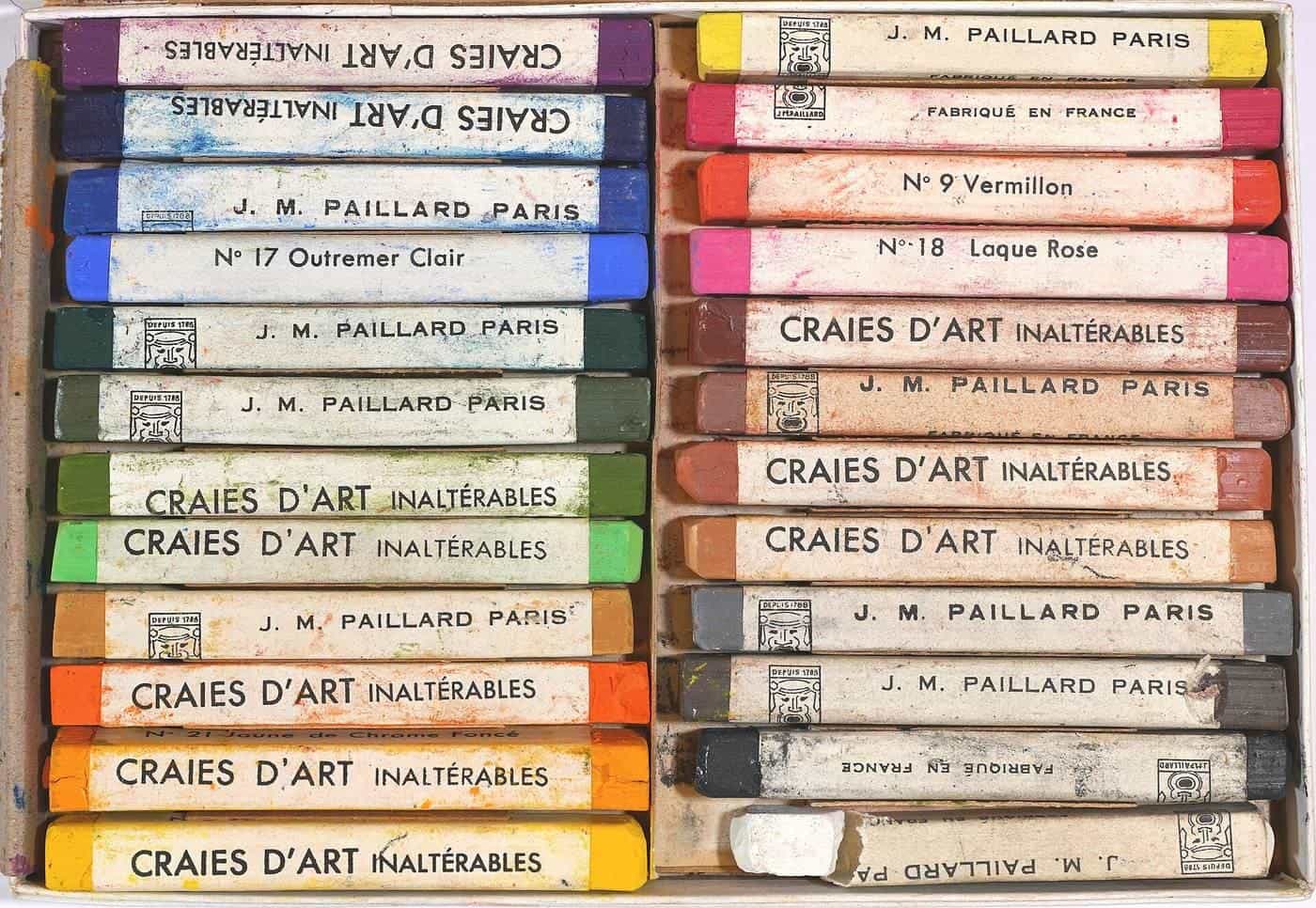
Soft pastel is powdered pigment held together with a small amount of binder and pressed into sticks. Because there's so little binder, the colour is intense and the marks are soft and powdery. Harder pastels and pastel pencils contain more binder, which lets artists add fine detail such as whiskers and eyelashes. Oil pastel is different: pigment bound in oil and wax, giving a waxy, buttery mark that doesn't dust in the same way.
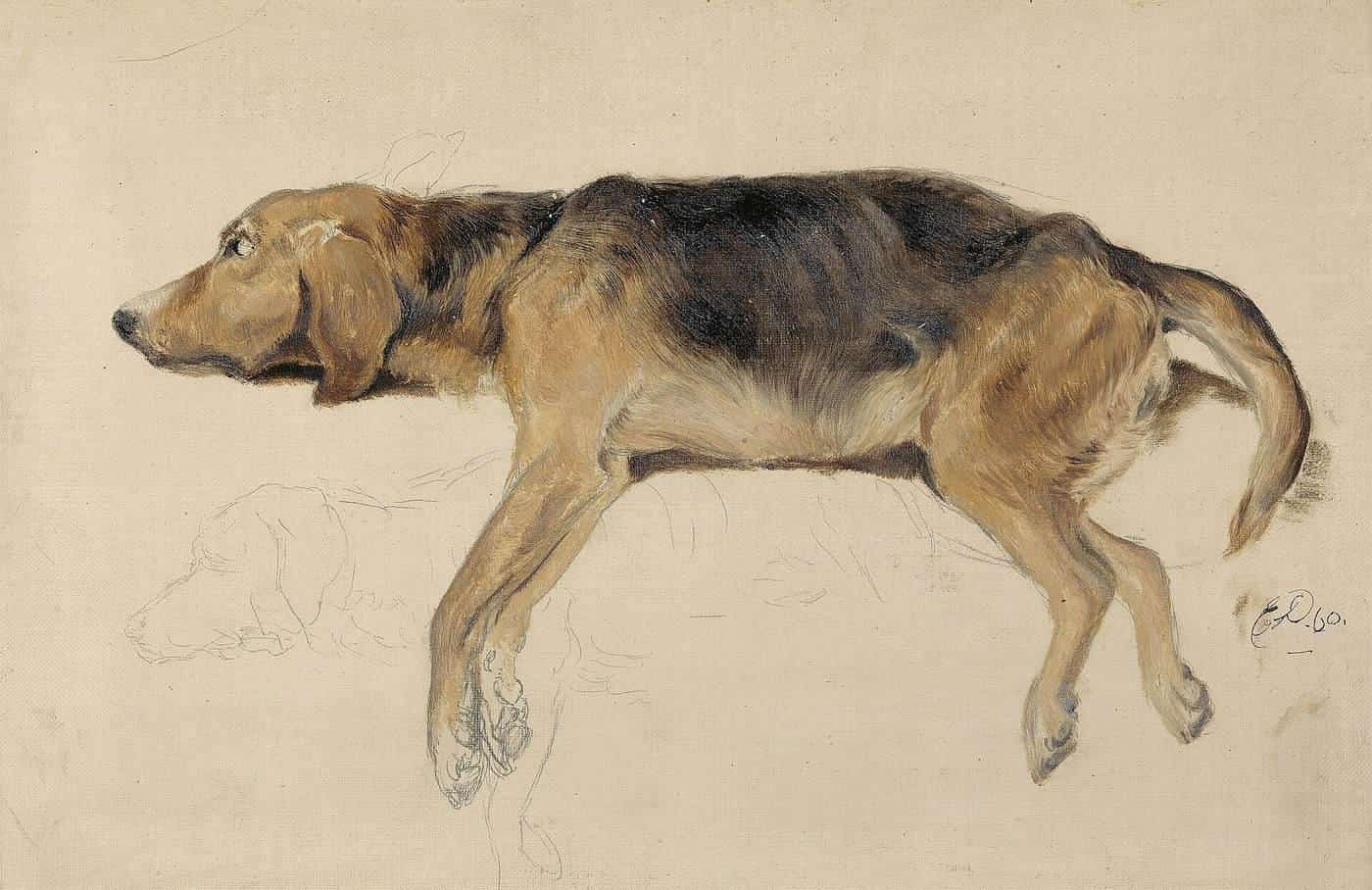
Most pastel pet portraits use soft pastel and pastel pencils together: broad strokes for the coat, sharp pencils for detail.
Why pastel suits animals
Pastel is applied dry, directly onto textured paper, so artists can layer colours to build the depth and direction of fur. Light strokes over darker layers create the shine on a black dog's coat or the soft highlights on a cat's fluffy chest. There's no drying time, so artists can work steadily. Many find pastel quick to respond, which suits lively animal subjects.
Papers
Pastel needs a surface with "tooth": tiny ridges that catch and hold the pigment. Artists use textured pastel papers, sanded papers that grip many layers, or boards made for pastel. The colour of the paper often shows through and becomes part of the portrait. Ask what paper the artist uses and whether it's acid-free or archival, which helps it last.
Fixative
Some artists spray a fixative to reduce smudging, especially between layers. Fixative can slightly darken or dull pastel colours, so many artists use it sparingly or not at all on the final layer. Either way, a pastel is never as robust as a varnished painting, and should always be treated as fragile.
Framing pastel
Soft pastel must be framed behind glass or acrylic glazing, with a mat or spacer so the glazing doesn't touch the surface. If glass touches pastel, pigment can transfer to it. Some framers add a small gap at the bottom of the mat to catch any loose particles that might fall over time. Avoid acrylic glazing for very powdery pastels unless the framer recommends it, because static electricity can lift loose particles; discuss options with a framer experienced with pastels. Our framing guide covers glazing and mats.
Ask whether the artist includes framing, or whether you'll collect the portrait unframed and take it to a framer. If unframed, transport it flat, face up, with a protective sheet that doesn't touch the surface.
Shipping
Posting pastel requires care. Artists often ship unframed pastels flat, between rigid boards, with glassine or a spacer above the surface. Framed pastels are heavier and the glass can break, so packaging matters. Ask how the artist ships, whether it's insured and what happens if the portrait arrives damaged.
Light and display
The AICCM explains that visible and ultraviolet light can cause fading, discolouration and other changes, and that light damage can't be undone. Pastel is mostly pure pigment, and artist-quality pastels are usually rated for lightfastness, but paper can yellow and some colours can fade. Hang pastel portraits away from direct sun, on an internal wall if possible, and consider UV-filtering glazing. Avoid bathrooms and kitchens, where humidity and grease can affect paper.
Handling
Hold framed pastels upright and avoid knocking or tapping the frame, which can shake loose pigment. Don't lay a framed pastel face down. When moving house, carry it upright and pack it with care.
Style options
Pastel suits realistic portraits, with fine fur and detailed eyes, and looser, impressionistic portraits with expressive strokes and bold colour. Coloured paper backgrounds give a classic look, while some artists fill the background with blended colour. Look at an artist's previous pastel work to see their style.
Is pastel right for you?
Choose pastel if you love soft, rich colour and the texture of fur, and are happy to frame it behind glass and handle it gently. If you want a sturdier finished piece without glass, consider oil or acrylic. For a monochrome look, see charcoal and pencil. Our pet portrait planner outlines display and care for each medium.
Pastel through history
Pastel has a long history in portraiture. It became especially fashionable for portraits in eighteenth-century Europe, prized for its luminous colour and the speed with which artists could work. Many of those portraits survive today in museum collections, kept behind glass and in controlled light, which shows that with good care, pastel can last for centuries.
Oil pastel portraits
Oil pastel behaves differently from soft pastel. It's waxy and doesn't dust in the same way, giving bold, buttery strokes that can be blended or scratched into. Oil pastels can stay slightly soft for a long time, so they still need protection from touching and dust. Ask the artist how they recommend framing oil pastel work.
Use the pet portrait planner
Our free pet portrait planner shows how each medium looks, how it's displayed and cared for, and what to expect about timing. It also gives a reference-photo checklist and a list of questions to ask any artist, adjusted for the size you want, the number of animals and whether it's a memorial portrait. It runs entirely in your browser, and nothing you choose is sent anywhere.
Where our information comes from
Factual statements in our guides are based on expert and official sources, including the Arts Law Centre of Australia, the Copyright Agency and the Australian Copyright Council for copyright; the Australian Institute for the Conservation of Cultural Material and the Canadian Conservation Institute for caring for artworks; the ACCC and Scamwatch for consumer rights and safe buying; and museum collections for art history. We link to each source at the end of the page and rewrite everything in our own words.
A good commission in one sentence
A good pet portrait commission starts with an artist whose work you love, good reference photos and clear written terms, and ends with a portrait framed and hung where it's protected from sun, heat and damp. Almost everything else in this guide supports those simple steps.
Questions to ask yourself first
Before contacting an artist, ask yourself: what style and medium do I love, where will the portrait hang, how big can it be, what's my deadline, and which photos best capture my pet? Having answers ready makes your enquiry clearer and helps the artist give an accurate quote.
Pet portraits through history
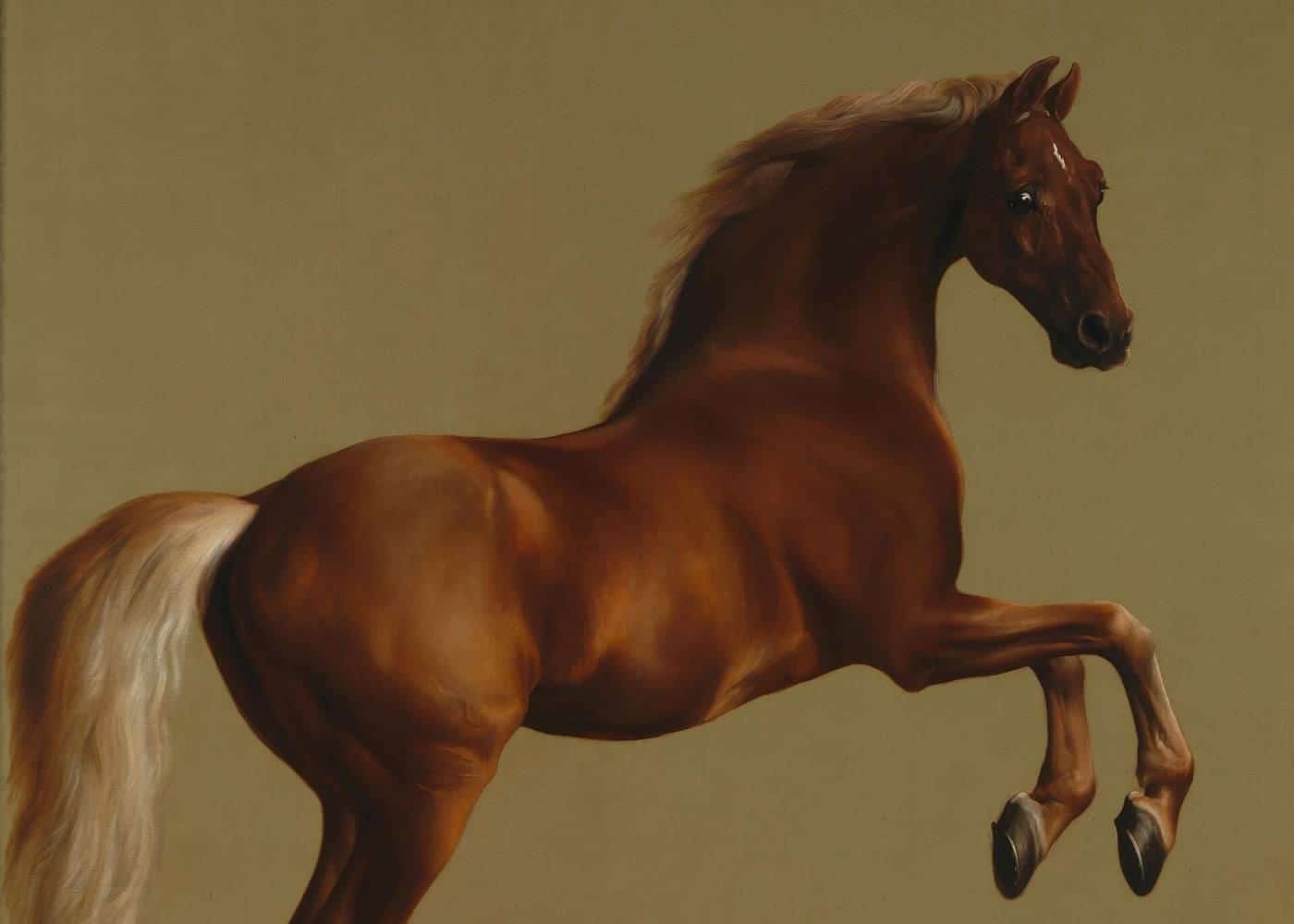
Animals have appeared in art for thousands of years, and portraits of particular, beloved animals have a long tradition. The National Gallery in London describes George Stubbs's Whistlejacket, a life-size portrait of a racehorse painted around 1762, as probably the most well-known portrait of a horse. Nineteenth-century painters made careers painting dogs and cats, and today's portrait artists continue that tradition in every medium.
Your rights when buying
The ACCC explains that consumer guarantees apply to goods and services bought from Australian businesses. Services must be provided with acceptable care and skill and within a reasonable time if no date was agreed, and goods must be of acceptable quality and match their description. Clear written terms with the artist are still your best protection.
Key points
- Soft pastel is nearly pure pigment with little binder, giving rich colour and soft marks.
- Pastel must be framed behind glazing with a mat or spacer so nothing touches it.
- Keep pastels out of direct sun and handle frames gently.
- Ask about paper, fixative, framing and shipping before commissioning.
Frequently asked questions
Do pastel portraits fade?
Pastel is mostly pure pigment, and quality pastels are lightfast, but any artwork can fade in strong light. Keep it out of direct sun.
Why do pastels need glass?
Soft pastel sits on the paper's surface and smudges easily. Glass and a spacer protect it.
What is the difference between soft and oil pastel?
Soft pastel is pigment with a little binder; oil pastel is bound with oil and wax and behaves differently.
Can pastel portraits be posted?
Yes, but they must be packed carefully so nothing touches the surface. Ask how the artist ships them.
Sources and further reading
Facts on this page were checked against these primary and official sources. Conditions change — confirm before you travel or buy.
- Caring for paintings — Australian Institute for the Conservation of Cultural Material
- Basic care: paintings — Canadian Conservation Institute