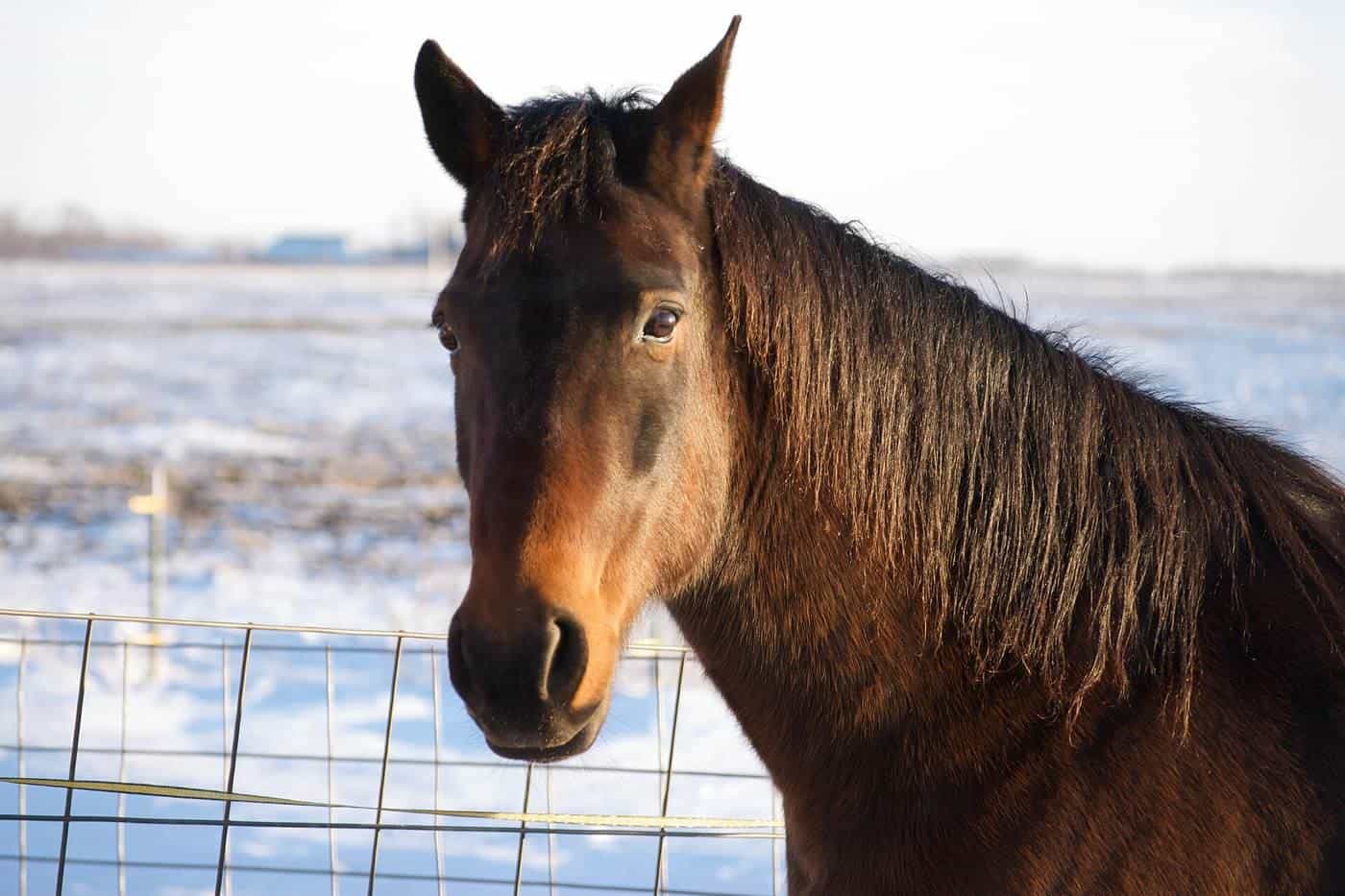
A pet portrait can be painted in oil, built up in soft pastel, drawn in charcoal or pencil, or created digitally on a tablet. Each medium gives a different look, takes a different amount of time and needs different framing and care. The best choice depends on the style you love, where the portrait will hang and how you'll use it. These guides explain each medium in plain language so you can talk to artists with confidence.
The guides in this section
- Oil and acrylic pet portraits Drying time, supports, varnish, process and display.
- Pastel pet portraits Why pastel suits fur, papers, fixative and framing behind glass.
- Charcoal and pencil pet portraits Graphite, charcoal and coloured pencil compared.
- Digital pet portraits Styles, files and resolution, prints, revisions and rights.
Mediums at a glance
| Medium | Look | Framing | Typical timeline |
|---|---|---|---|
| Oil | Deep, luminous, traditional | Often no glass | Longer (slow drying) |
| Acrylic | Bright, crisp or painterly | Often no glass | Moderate |
| Soft pastel | Soft, velvety, rich colour | Glass with mat or spacer | Moderate |
| Charcoal | Dramatic blacks and greys | Glass with mat | Moderate |
| Graphite or coloured pencil | Fine detail | Glass with mat | Can be long for realism |
| Digital | Any style, file or print | Depends on print | Often shortest |
These are general patterns. Timelines depend far more on the artist, size and detail than on the medium alone.
A long tradition
Portraits of individual animals have a long history. The National Gallery in London describes George Stubbs's Whistlejacket, painted in oil around 1762, as probably the most well-known portrait of a horse, and notes that Stubbs spent 18 months dissecting and drawing horses to understand their anatomy. That combination of close observation and skill is still what makes a great pet portrait, whatever the medium.
Choosing by style
If you want rich colour and depth, consider oil, acrylic or pastel. If you want fine detail in monochrome, consider graphite. For drama and expression, consider charcoal. For illustrated, cartoon or graphic styles, or a file you can use in several ways, consider digital. Most importantly, find an artist whose existing work in that medium you love.
Choosing by space
Large oil or acrylic paintings make a statement in living rooms and can be hung without glass, so there's no glare. Pastels and drawings suit smaller spaces and look elegant with a wide mat, but need glazing. Digital portraits can be printed at the size you need, as long as the file is large enough.
Choosing by care
The Australian Institute for the Conservation of Cultural Material explains that light, heat and humidity changes can damage paintings, and recommends avoiding direct sun and exterior walls. All mediums benefit from this advice. Works on paper, including pastel, charcoal, pencil and prints, are particularly sensitive to light and humidity, and need glazing to protect them from dust and handling.
Materials matter
Ask artists what materials they use. Artist-quality paints, pastels and pencils are usually rated for lightfastness, and acid-free or archival papers resist yellowing. For digital prints, ask about archival inks and papers. Good materials help a portrait last for generations.
Size and detail
Size affects how much detail an artist can include. A small portrait suits a single head study; larger works allow full-body poses, several animals or a background scene. Very detailed realism in any medium takes time. Tell the artist where the portrait will hang, and consider measuring the wall and marking the size with tape before you decide.
Talking to artists about mediums
Artists are usually happy to explain why they work in a particular medium and how it will suit your pet. Ask what they think would best capture your animal's coat and character, and whether they'd recommend a particular size. Their answers tell you a lot about their experience and how they communicate.
Combining mediums
Many artists combine mediums, such as watercolour under coloured pencil, pastel pencils over soft pastel, or acrylic underpainting beneath oil. Mixed media can create unique effects. Treat mixed media works according to their most delicate component.
Five steps to a portrait you'll treasure
- Choose an artist whose existing work you love, in the medium you want.
- Take or gather good reference photos: sharp, well lit and at eye level.
- Get written terms covering price, inclusions, deposit, timeline, changes and copyright.
- Approve the composition early, when changes are easiest.
- Frame and hang it well, away from direct sun, heat and damp.
About these guides
Pet Portrait Artist is an independent information site about commissioning, photographing for and caring for pet portraits in Australia. We aren't an artist, studio, gallery, marketplace or framer, and we don't recommend particular artists or businesses. Our guides are general information written in our own words, with expert and official sources listed on every page. They aren't legal advice.
How we keep these guides current
We review each guide against its sources and show the date it was last checked. Copyright law, consumer rules and conservation guidance change from time to time. If you notice something out of date, please tell us through our contact page, and we'll check and correct it.
Use the pet portrait planner
Our free pet portrait planner shows how each medium looks and is cared for, and gives a reference-photo checklist and questions to ask an artist. It runs entirely in your browser, and nothing you choose is sent anywhere.
Guides in this section
Mediums
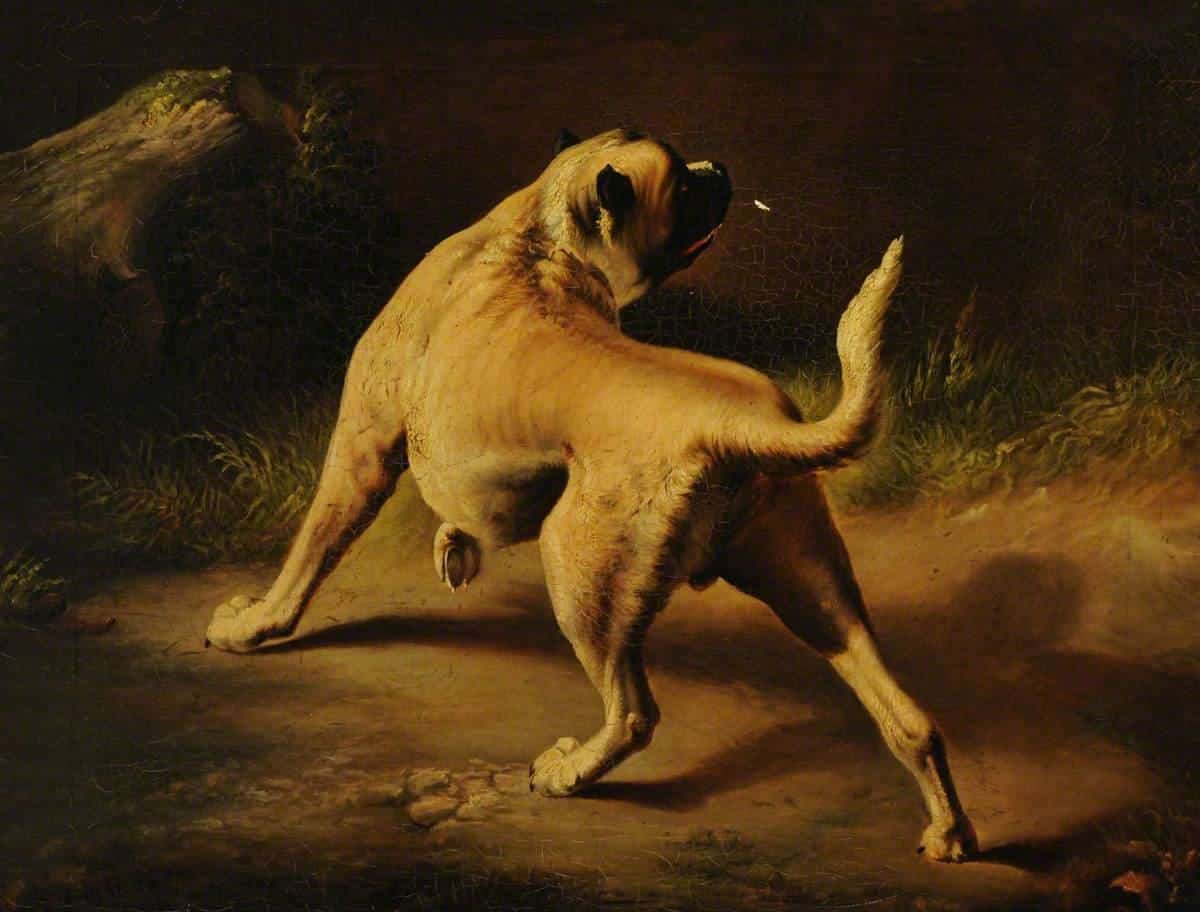
Oil and acrylic pet portraits
Oil and acrylic pet portraits compared: how each paint looks, drying time, canvas and board, varnish, framing without glass and long-term care.
Read · 6 min
Mediums
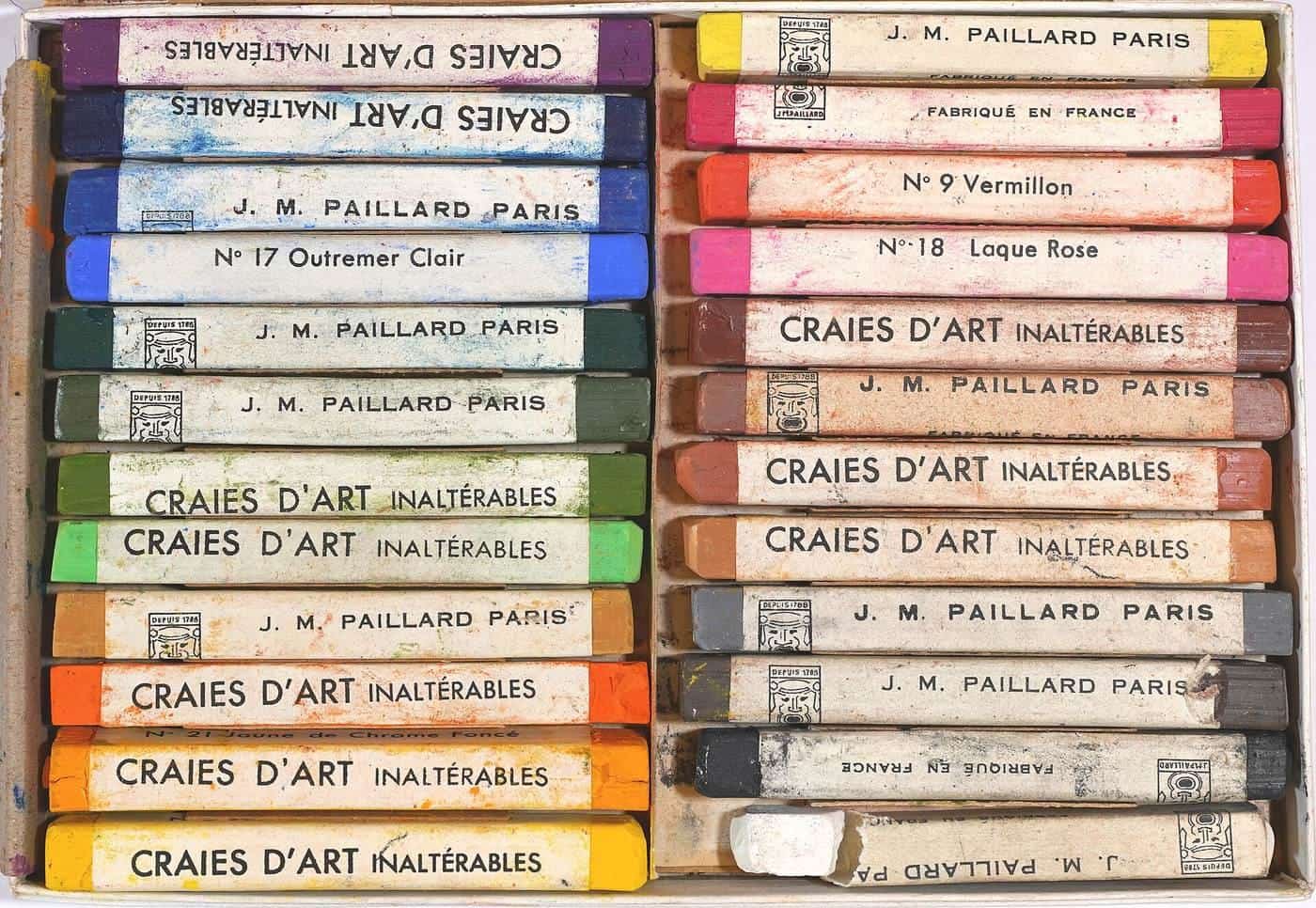
Pastel pet portraits
Pastel pet portraits explained: soft and oil pastels, why pastel suits fur, papers, fixative, framing behind glass and caring for pastel artwork.
Read · 6 min
Mediums
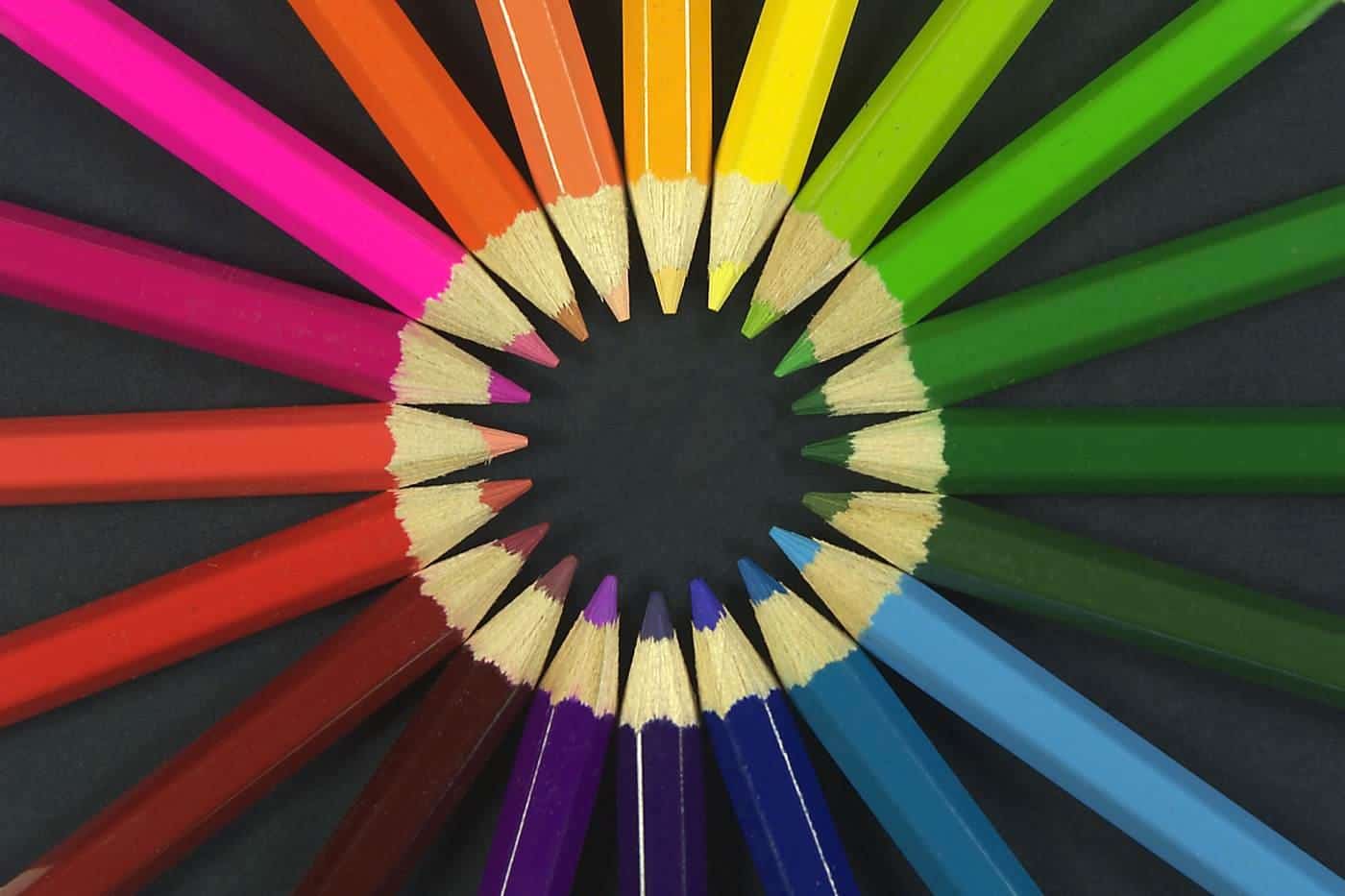
Charcoal and pencil pet portraits
Charcoal, graphite and coloured pencil pet portraits compared: the look, detail, papers, fixative, framing behind glass and long-term care.
Read · 6 min
Mediums
Digital pet portraits
Digital pet portraits explained: styles, how they are made, file sizes and resolution, printing, revisions, AI-generated images and usage rights.
Read · 6 min
Frequently asked questions
Which medium is best for a pet portrait?
There's no single best. Oil and pastel suit rich colour and fur, pencil suits fine detail and digital suits illustrated styles and quick turnaround.
Which mediums need glass?
Pastel, charcoal and pencil works should be framed behind glazing with a mat. Varnished paintings often aren't.
Which medium lasts longest?
Any medium can last a long time with good materials and care. Ask about archival materials and keep artwork out of direct sun.
Can I see examples before choosing?
Yes. Look at an artist's previous work in the medium you're considering.
Sources and further reading
Facts on this page were checked against these primary and official sources. Conditions change — confirm before you travel or buy.
- George Stubbs, Whistlejacket, about 1762 — National Gallery, London
- Caring for paintings — Australian Institute for the Conservation of Cultural Material
- Basic care: paintings — Canadian Conservation Institute