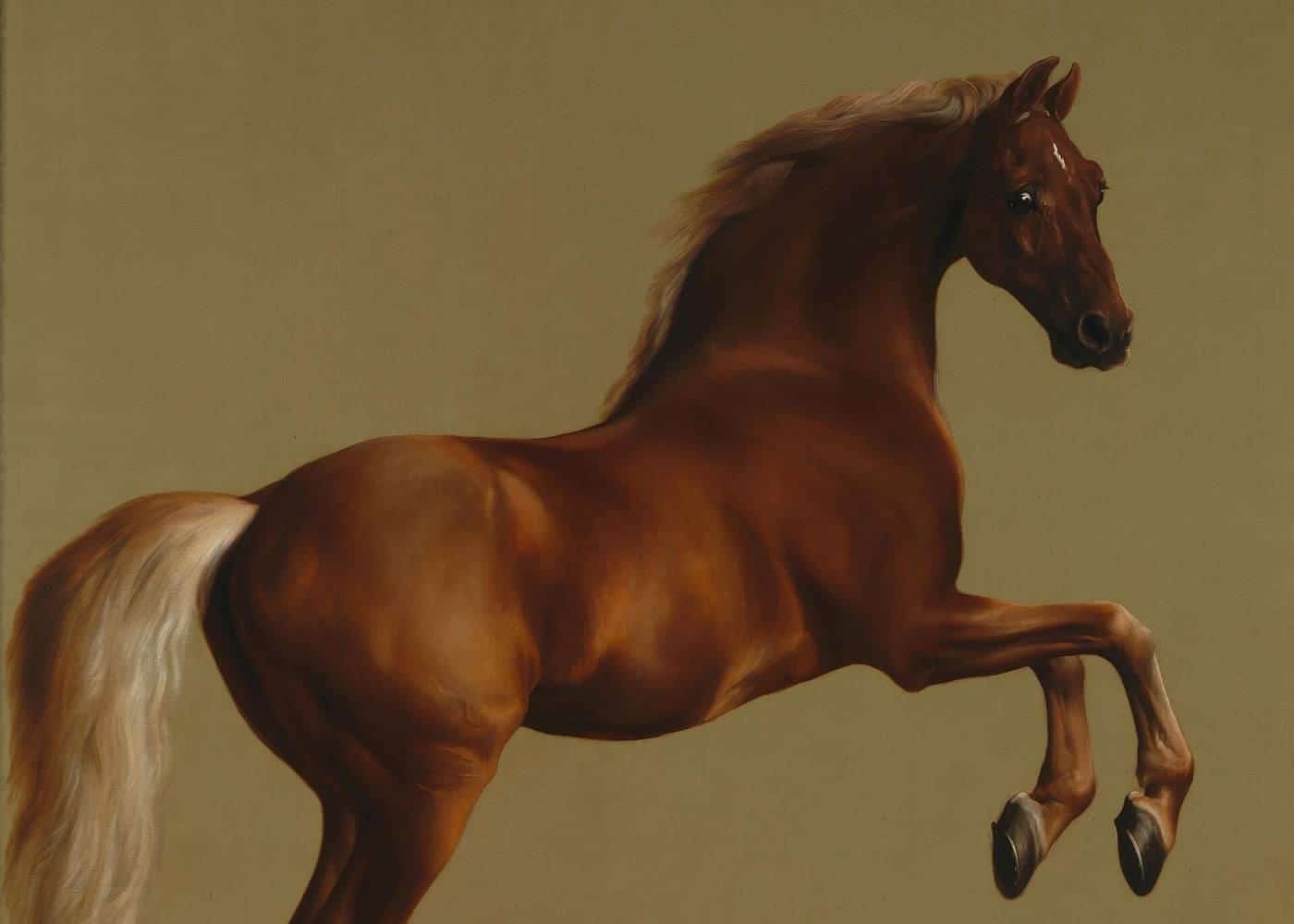
For centuries, the grandest animal portraits were painted in oil. The National Gallery in London describes George Stubbs's life-size Whistlejacket, painted around 1762 for the horse's owner, as probably the most well-known portrait of a horse. Today, many portrait artists work in oil or its quicker-drying cousin, acrylic, producing everything from smooth, realistic likenesses to loose, expressive studies. This guide explains how the two paints differ and what that means when you commission, display and care for a painted pet portrait.
This guide is general information written in our own words. We don't recommend particular artists or businesses, and we never quote prices: they vary widely with the artist, medium and size, so ask for a written quote. It isn't legal advice.
What oil paint is
Oil paint is pigment mixed with a drying oil, traditionally linseed. It dries by slowly reacting with air rather than by evaporating, which can take days for a thin layer and much longer for thick ones. That slow drying lets artists blend colours on the canvas, build soft transitions in fur and work back into a painting over several sessions. Oil paintings often have a luminous depth because light passes through layers of transparent colour.
What acrylic paint is
Acrylic paint is pigment in a water-based acrylic polymer emulsion. It dries quickly as the water evaporates, often within minutes or hours, and becomes water-resistant once dry. Acrylic can be used thickly, like oil, or thinned into washes like watercolour. Some artists use acrylic for underpainting and finish in oil; others work in acrylic throughout for bright, crisp results.
How they compare
| Oil | Acrylic | |
|---|---|---|
| Drying | Slow (days or more) | Fast (minutes to hours) |
| Blending | Easy wet-into-wet blending | Faster, so blending takes more technique |
| Look | Deep, luminous, traditional | Bright, crisp; can mimic oil |
| Timeline | Often longer | Often shorter |
| Display | Usually varnished, often no glass | Usually varnished, often no glass |
Neither is better. The artist's skill and style matter far more than the paint. Look at an artist's previous work in the medium you're considering.
Supports: canvas, panel and paper
Paintings are made on a "support". Stretched canvas is light and traditional. Wooden or composite panels are rigid and suit fine detail. Canvas boards are economical for small works. Acrylic can also be used on heavy paper, which is then usually framed behind glass. Ask what support the artist uses, as it affects framing, weight and how the work should be cared for.
Varnish
Many artists apply a final varnish to protect the paint surface and even out its sheen. Because oil paint takes a long time to cure, varnish is often applied some time after the painting is finished, or the artist may use a temporary retouch varnish. Ask whether varnishing is included and when it will happen. A removable varnish can be cleaned off and replaced by a conservator years later, which protects the paint underneath.
The process
A typical painted commission starts with reference photos and a conversation about pose, size and background. Many artists then share a sketch or composition for approval, followed by blocking in colour, building up the fur and features, and refining the eyes, which most portrait artists consider the most important part. You may be shown progress photos. Ask how many changes you can request and at what stage; changes are easier early on than once the painting is nearly finished.
Choosing a style
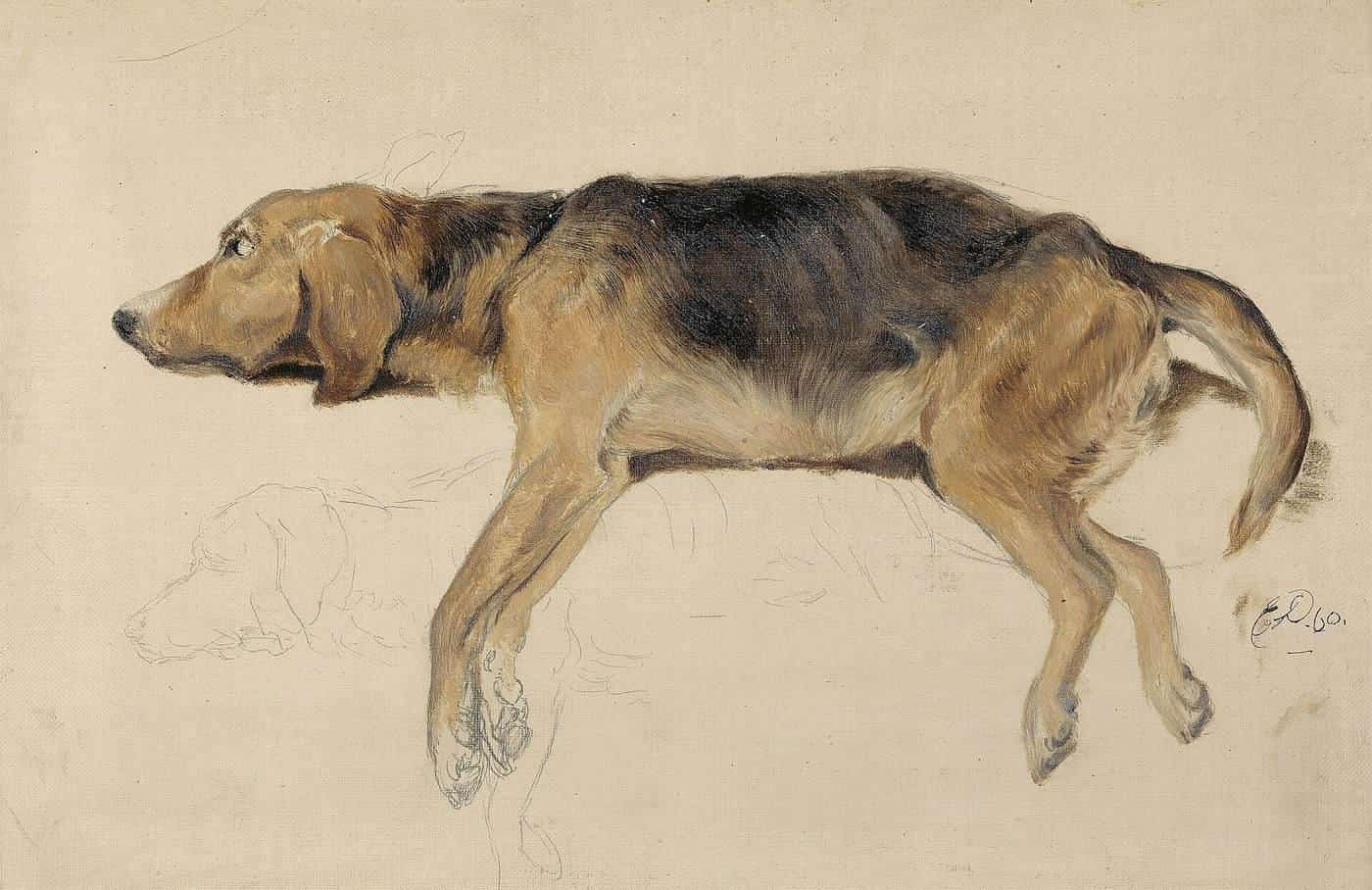
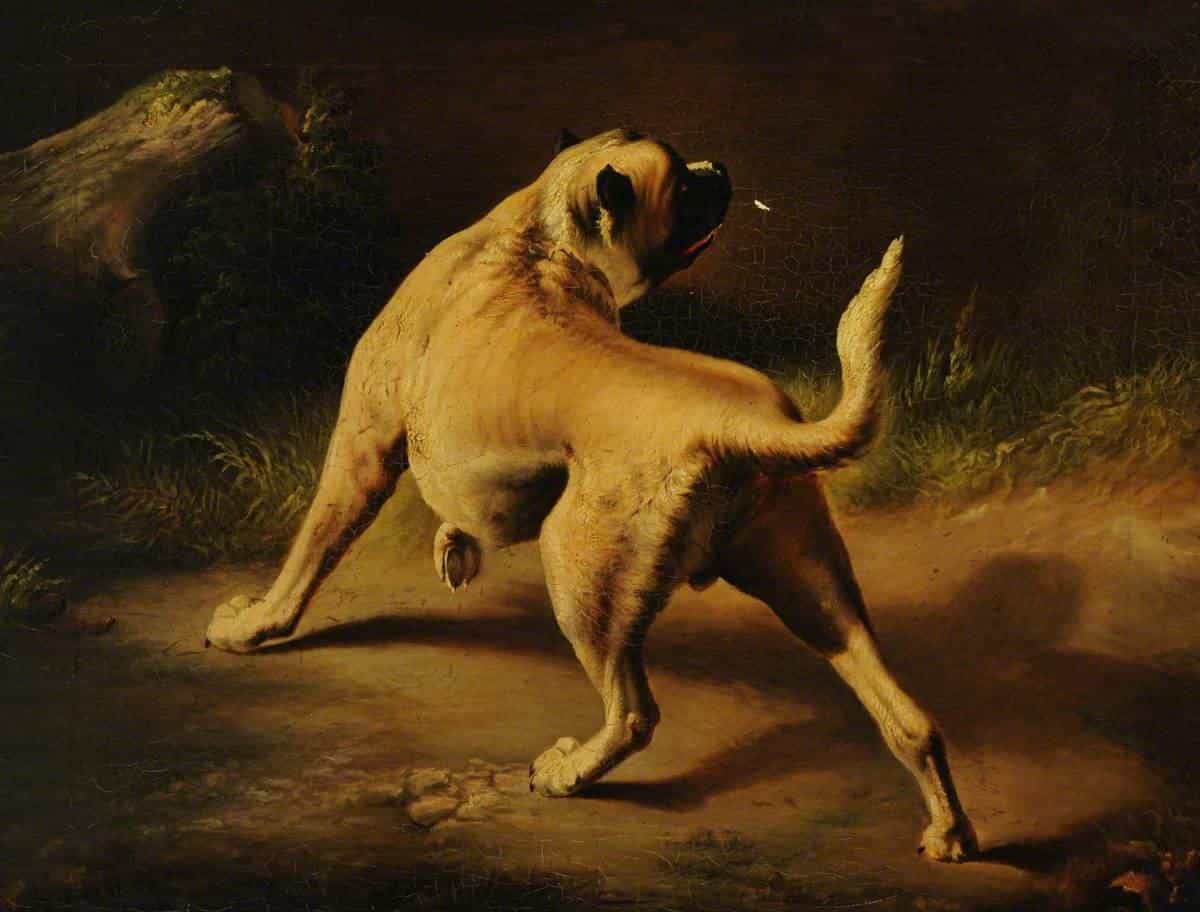
Painted pet portraits range widely. Realistic portraits aim for a photographic likeness. Painterly portraits show visible brushstrokes and focus on light and character. Stylised or contemporary portraits might use bold colour backgrounds, abstract shapes or a graphic look. Decide what you want before approaching artists, and look for someone whose existing work matches it.
Backgrounds
Backgrounds change the mood. A plain or softly blended background keeps attention on your pet, as in Stubbs's painting against a neutral gold. A scene, such as a favourite beach or garden, adds story but also time. Tell the artist early if you want a particular setting and supply photos of it.
Displaying a painting
Conservation organisations give consistent advice. The Australian Institute for the Conservation of Cultural Material (AICCM) explains that light, heat and changes in humidity can all damage paintings, and recommends avoiding direct sunlight, exterior walls and lights containing UV, and attaching a backing board to the back of the frame. The Canadian Conservation Institute adds that the space above a fireplace, though a place of honour, isn't ideal because conditions there fluctuate. See our guide to caring for pet portrait artwork.
Framing a painting
Varnished oil and acrylic paintings are commonly framed without glass, so you see the surface texture. Glazing can still protect a painting from dust and knocks, and the Canadian Conservation Institute notes that glazing combined with a backing board helps reduce rapid changes in humidity. Our framing guide explains the options.
Cleaning
Don't clean a painting with water, household cleaners or cloths that might catch on the surface. A very soft, dry brush can remove light dust from a sound, varnished surface. If paint is flaking, cracked or mouldy, the AICCM recommends seeking a conservator rather than attempting repairs yourself.
Is a painting right for you?
Choose oil or acrylic if you want a traditional, substantial artwork with depth and texture, are happy to wait for the process, and have a suitable wall away from sun and heat. If you want something quicker or more portable, consider digital or pencil portraits. Our pet portrait planner compares mediums side by side.
Painting black, white and patterned coats
Coats that look simple can be the hardest to paint. A black dog isn't really black: good painters find blues, browns and warm highlights where light catches the fur. White cats are full of soft greys, creams and reflected colour. Tabby stripes, brindle and merle patterns need careful observation so markings sit correctly on the body. When you look at a portfolio, see how an artist handles coats like your pet's.
Use the pet portrait planner
Our free pet portrait planner shows how each medium looks, how it's displayed and cared for, and what to expect about timing. It also gives a reference-photo checklist and a list of questions to ask any artist, adjusted for the size you want, the number of animals and whether it's a memorial portrait. It runs entirely in your browser, and nothing you choose is sent anywhere.
Where our information comes from
Factual statements in our guides are based on expert and official sources, including the Arts Law Centre of Australia, the Copyright Agency and the Australian Copyright Council for copyright; the Australian Institute for the Conservation of Cultural Material and the Canadian Conservation Institute for caring for artworks; the ACCC and Scamwatch for consumer rights and safe buying; and museum collections for art history. We link to each source at the end of the page and rewrite everything in our own words.
A good commission in one sentence
A good pet portrait commission starts with an artist whose work you love, good reference photos and clear written terms, and ends with a portrait framed and hung where it's protected from sun, heat and damp. Almost everything else in this guide supports those simple steps.
Questions to ask yourself first
Before contacting an artist, ask yourself: what style and medium do I love, where will the portrait hang, how big can it be, what's my deadline, and which photos best capture my pet? Having answers ready makes your enquiry clearer and helps the artist give an accurate quote.
Key points
- Oil dries slowly and allows blending; acrylic dries fast and can be crisp or painterly.
- The artist's skill and style matter more than the paint.
- Ask about the support, varnish and how many changes are included.
- Hang paintings away from direct sun, heat and humidity swings.
Frequently asked questions
What's the difference between oil and acrylic?
Oil paint uses a drying oil and dries slowly; acrylic uses a water-based polymer and dries quickly. Both can look rich and detailed.
Do oil paintings need glass?
Usually not. Varnished oil and acrylic paintings are commonly framed without glass, though glazing can add protection.
Why does an oil portrait take longer?
Oil paint dries slowly and layers may need time to dry between sessions, and varnishing is usually delayed.
How should I hang a painting?
Away from direct sun, heaters, air vents, fireplaces and kitchens, ideally on an internal wall.
Sources and further reading
Facts on this page were checked against these primary and official sources. Conditions change — confirm before you travel or buy.
- Caring for paintings — Australian Institute for the Conservation of Cultural Material
- Basic care: paintings — Canadian Conservation Institute
- George Stubbs, Whistlejacket, about 1762 — National Gallery, London