A well-made pet portrait can last for generations, but artworks are sensitive to their surroundings. Light, heat, humidity, dust, pests and handling can all cause damage, often slowly and without you noticing until it's too late. The good news is that a few simple habits, recommended by conservation organisations, make a big difference. This guide explains how to care for your portrait at home.
This guide is general information written in our own words. We don't recommend particular artists or businesses, and we never quote prices: they vary widely with the artist, medium and size, so ask for a written quote. It isn't legal advice.
The main risks
The Australian Institute for the Conservation of Cultural Material (AICCM) explains that the main threats to paintings at home include:
- Light: visible and ultraviolet light can cause fading, yellowing, discolouration and darkening, and can make materials brittle.
- Temperature: heat speeds up deterioration and can make some paints more sensitive.
- Humidity: changes in humidity make supports expand and contract, which can crack paint.
- Dust and pollution: dust can scratch surfaces and pollution can damage paint and frames.
Light
The Canadian Conservation Institute explains that light damage can't be reversed, and that even normal light levels over long periods cause fading. Keep artwork out of direct sunlight at all times of day, and remember that the sun moves through the seasons. Use curtains or blinds in sunny rooms, and consider UV-filtering glazing for works on paper. Avoid placing portraits under skylights.
Temperature and humidity
Stable conditions are more important than perfect ones. The Canadian Conservation Institute suggests displaying paintings where relative humidity and temperature are fairly constant, not very high (above 60%) or very low (below 40%), and where levels don't change quickly. Rooms with open doors and windows, or near heating and cooling vents, change fastest.
The AICCM's environmental guidelines note that mould grows in damp, humid, warm conditions with poor air flow, and recommend keeping relative humidity below 70% to prevent mould.
Australian climates
Australia's climates vary widely. In humid tropical areas, mould is a particular risk. Good air flow, fans and avoiding damp rooms help; air-conditioning can reduce humidity but should be used consistently rather than switched on and off. In dry inland areas, very low humidity and big temperature swings can make paper brittle and paint crack. In coastal areas, salty air and humidity can affect frames and hanging hardware. Wherever you live, internal walls in lived-in rooms usually have the most stable conditions.
Dust
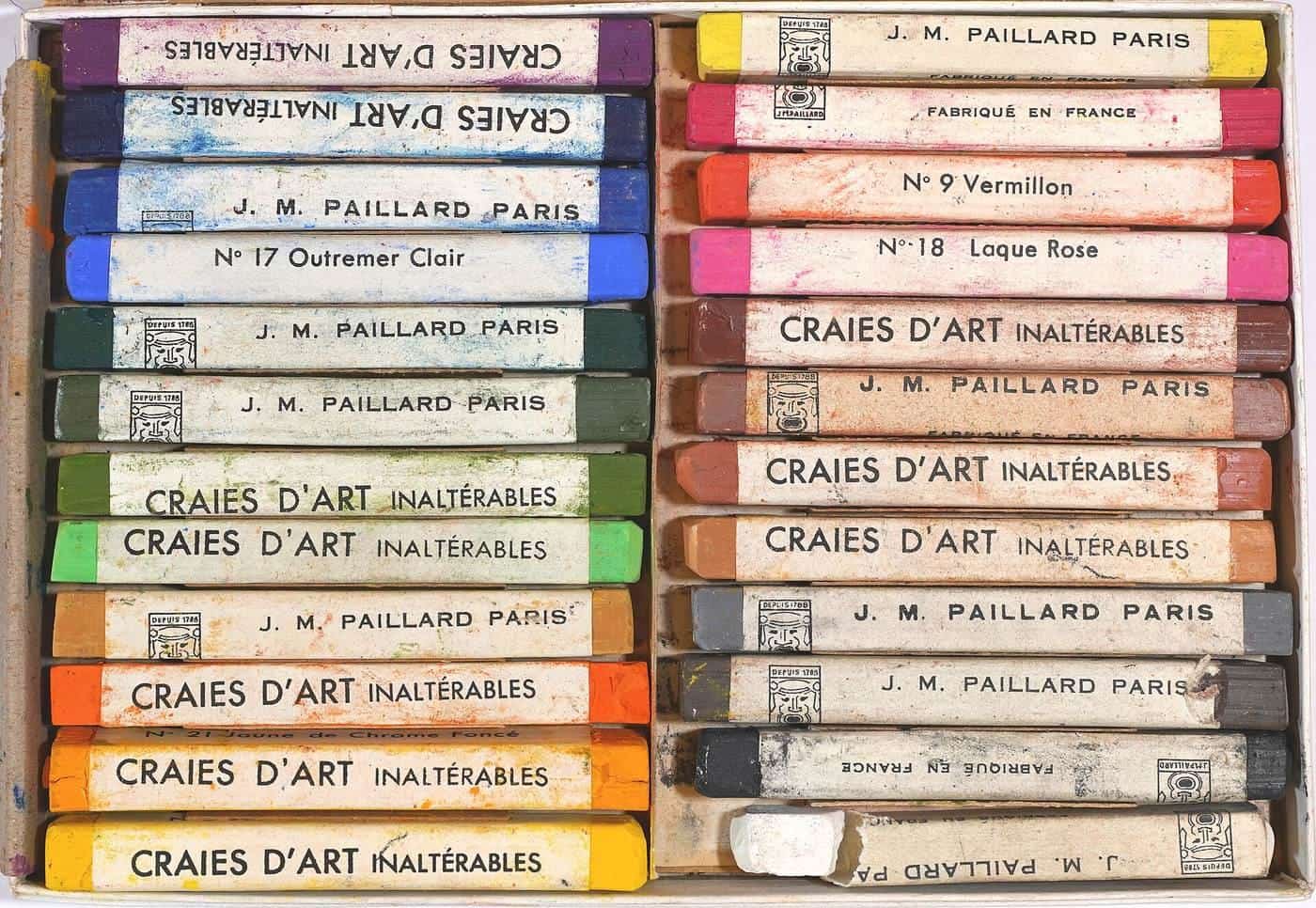
Dust gently with a soft, clean, dry brush, working lightly across the frame and, only if the surface is sound and varnished, the painting itself. Never use water, household cleaners, feather dusters that can catch, or cloths that might snag. Don't touch the surface of pastel or charcoal works at all; clean only the glazing, spraying cleaner onto a cloth rather than the glass so liquid can't seep under the frame.
Handling
Handle artworks as little as possible, with clean, dry hands. Carry frames by the sides, with both hands, and never by the top or the hanging wire. Hold pastels upright to avoid dislodging pigment.
Pests
Insects such as silverfish can damage paper and framing materials. Keep artworks clean, check the backs of frames occasionally and ensure framers seal the backs.
Moving house
When moving, wrap framed works in clean blankets or bubble wrap (with the bubbles facing out and not touching the surface), protect corners and pack them upright. Move valuable or sentimental works yourself if you can, and don't leave them in a hot car or truck.
Signs of trouble
Watch for:
- Flaking, cracking or lifting paint.
- Fuzzy spots or a musty smell, which may be mould.
- Brown spots on paper (often called foxing).
- Fading or yellowing.
- Ripples or bulges in paper or canvas.
- Condensation inside glazing.
When to call a conservator
The AICCM explains that conservators can carry out treatments such as cleaning, consolidating flaking paint, removing mould, repairing tears and reframing with proper padding and backing. If you notice damage, don't attempt repairs yourself, as well-meant fixes can cause further harm. The AICCM website includes information about finding a conservator.
Water damage and emergencies
If an artwork gets wet, remove it from the frame carefully if you can, let it dry in a cool, airy place away from direct sun and heat, and contact a conservator promptly. Don't use hair dryers or heaters.
Digital backups
Photograph your portrait in good light once it arrives. A good photo is useful for insurance, for sharing with family and as a record if the artwork is ever damaged.
Pets and artwork
Ironically, pets can be a risk to their own portraits. Hang artworks above tail-wagging and jumping height, keep them out of reach of curious cats and away from scratching posts, and don't place them where a dog might brush past with a muddy coat. Keep artworks away from fish tanks, which raise humidity.
Use the pet portrait planner
Our free pet portrait planner shows how each medium looks, how it's displayed and cared for, and what to expect about timing. It also gives a reference-photo checklist and a list of questions to ask any artist, adjusted for the size you want, the number of animals and whether it's a memorial portrait. It runs entirely in your browser, and nothing you choose is sent anywhere.
Where our information comes from
Factual statements in our guides are based on expert and official sources, including the Arts Law Centre of Australia, the Copyright Agency and the Australian Copyright Council for copyright; the Australian Institute for the Conservation of Cultural Material and the Canadian Conservation Institute for caring for artworks; the ACCC and Scamwatch for consumer rights and safe buying; and museum collections for art history. We link to each source at the end of the page and rewrite everything in our own words.
A good commission in one sentence
A good pet portrait commission starts with an artist whose work you love, good reference photos and clear written terms, and ends with a portrait framed and hung where it's protected from sun, heat and damp. Almost everything else in this guide supports those simple steps.
Questions to ask yourself first
Before contacting an artist, ask yourself: what style and medium do I love, where will the portrait hang, how big can it be, what's my deadline, and which photos best capture my pet? Having answers ready makes your enquiry clearer and helps the artist give an accurate quote.
Pet portraits through history
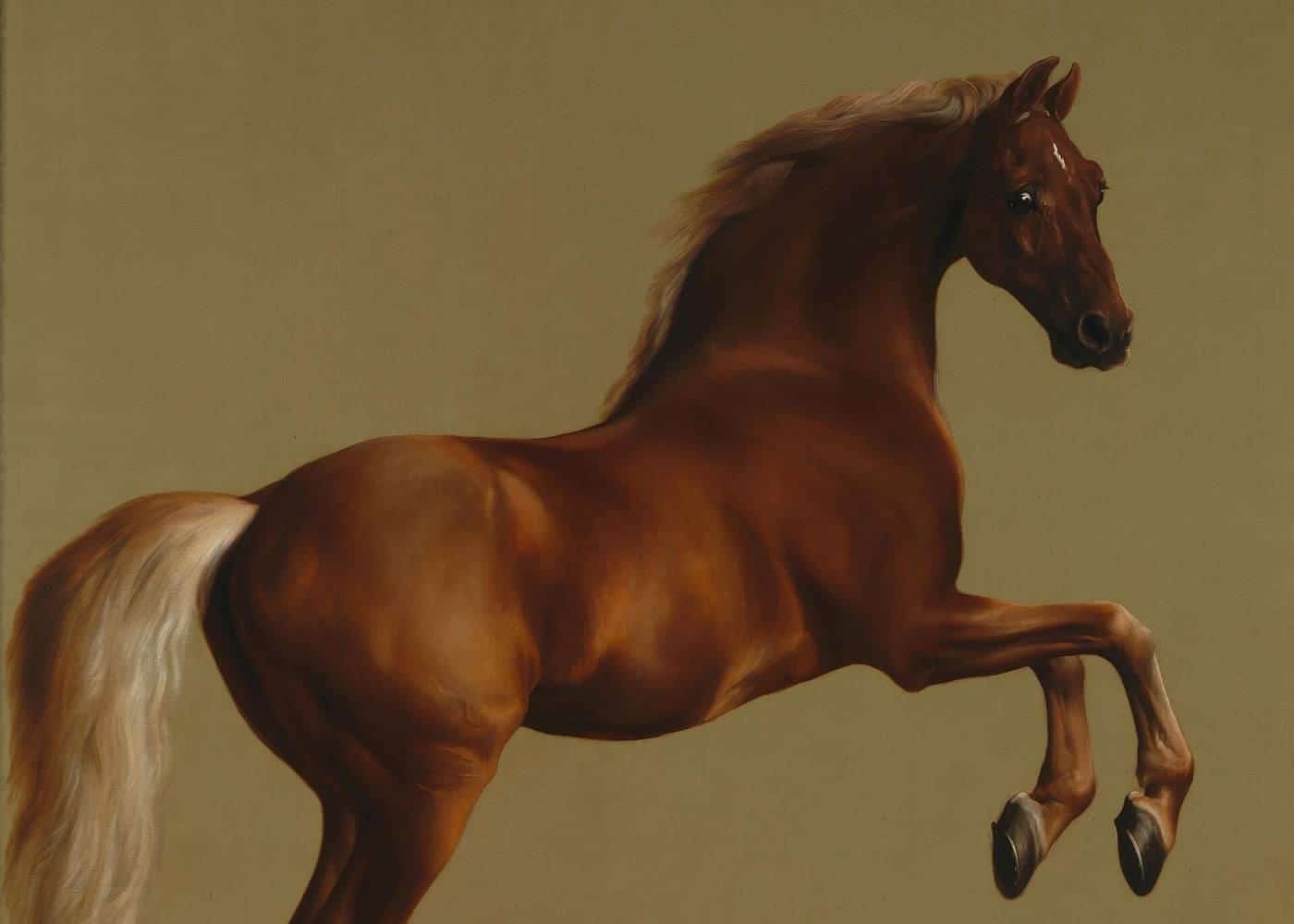
Animals have appeared in art for thousands of years, and portraits of particular, beloved animals have a long tradition. The National Gallery in London describes George Stubbs's Whistlejacket, a life-size portrait of a racehorse painted around 1762, as probably the most well-known portrait of a horse. Nineteenth-century painters made careers painting dogs and cats, and today's portrait artists continue that tradition in every medium.
Your rights when buying
The ACCC explains that consumer guarantees apply to goods and services bought from Australian businesses. Services must be provided with acceptable care and skill and within a reasonable time if no date was agreed, and goods must be of acceptable quality and match their description. Clear written terms with the artist are still your best protection.
Tell us what you think
We review our guides regularly against their sources. If you notice something out of date, have a question we haven't answered or spot an error, please let us know through our contact page. We read every message and correct mistakes promptly.
Key points
- Keep artwork out of direct sun; light damage can't be reversed.
- Aim for stable temperature and humidity, avoiding extremes and rapid swings.
- Keep relative humidity below 70% to prevent mould, especially in the tropics.
- Dust gently, handle by the frame and call a conservator for damage.
Frequently asked questions
How do I clean a painting?
Only dust gently with a soft, dry brush if the surface is sound. Never use water or household cleaners.
What causes mould on artwork?
Damp, high humidity, warmth and poor air flow. The AICCM recommends keeping relative humidity below 70%.
Is the tropics bad for artwork?
High humidity raises mould risk. Good air flow and avoiding damp rooms help.
When should I contact a conservator?
If paint is flaking, cracking or mouldy, or if a work is torn or water-damaged.
Sources and further reading
Facts on this page were checked against these primary and official sources. Conditions change — confirm before you travel or buy.
- Caring for paintings — Australian Institute for the Conservation of Cultural Material
- Environmental guidelines — Australian Institute for the Conservation of Cultural Material
- Basic care: paintings — Canadian Conservation Institute
- Caring for paintings — Canadian Conservation Institute